Confident Kids Bundle: Emotional Strength for Ages 3–5
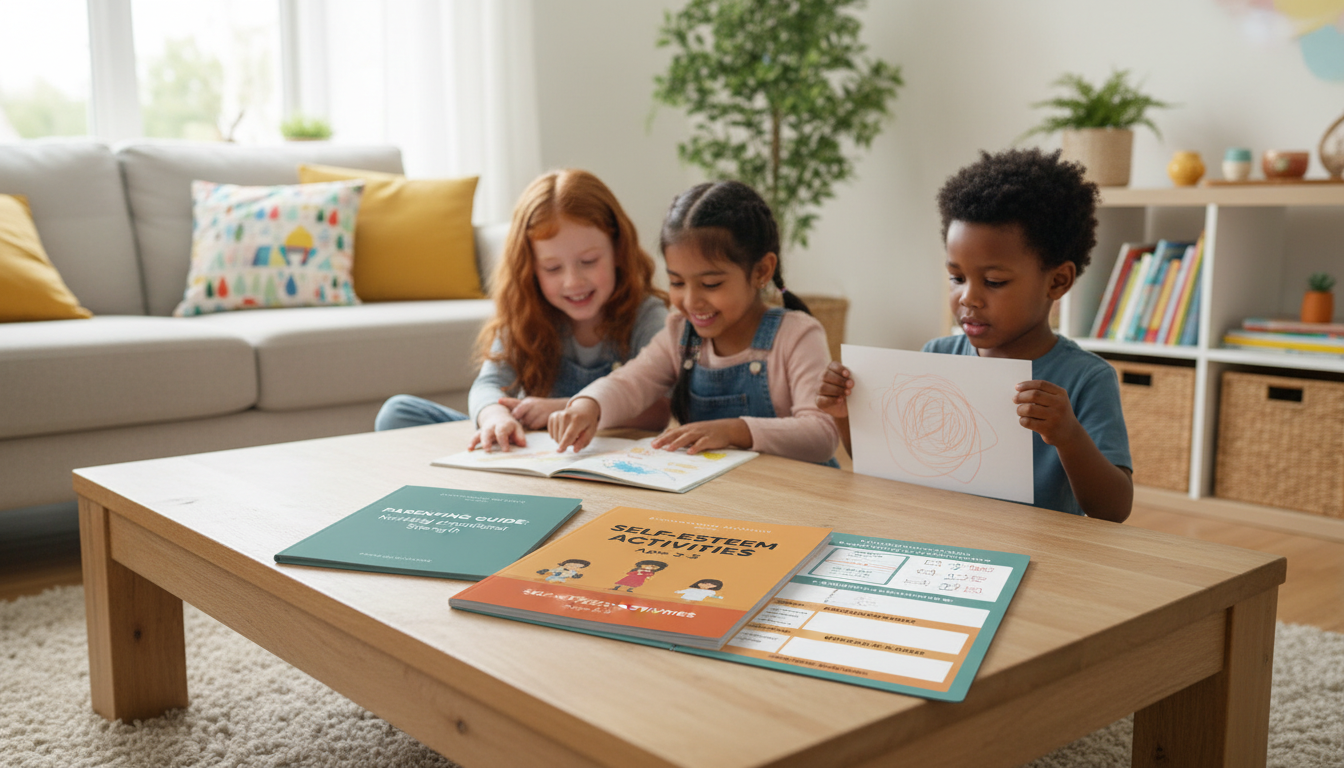
Confident Kids Bundle: Nurturing Emotional Strength for Ages 3–5
Big feelings are a normal part of early childhood, but young kids often need simple, repeatable tools to name emotions, calm their bodies, and build a steady sense of self. The Confident Kids Bundle: Nurturing Emotional Strength is designed to support ages 3–5 with a practical parenting guide, confidence-building activities, and an emotional intelligence checklist that helps caregivers turn everyday moments into skill-building practice. For more guidance, see Raising Emotionally Intelligent Children – HelpGuide.org.
What emotional strength looks like in ages 3–5
Preschoolers are learning fast—but their brains are still developing the “brakes” that help them pause, plan, and recover from big emotions. Emotional strength at this age often shows up in small, meaningful ways: For further reading, see Emotional Intelligence Creates Loving and Supportive Parenting.
- Recognizing basic emotions (happy, sad, mad, scared) and noticing body signals (tight fists, fast breathing, tears).
- Recovering after disappointment with adult support: “I’m upset, and I can try again.”
- Beginning empathy: noticing others’ feelings and practicing gentle repair after conflicts.
- Growing independence while still needing routines, choices, and predictable boundaries.
If you’re wondering what’s typical for ages 3–5, the CDC developmental milestones can be a helpful reference point, especially when paired with everyday observation at home and preschool.
What’s inside the 3‑in‑1 bundle and how each part helps
The Confident Kids Bundle combines three pieces that work best together: you coach emotions in real time, build confidence during calm moments, then track progress so you know what to practice next.
- Parenting guide: offers scripts and routines for coaching emotions during real-life moments (tantrums, sharing, transitions, bedtime).
- Self-esteem activities (ages 3–5): play-based prompts that build competence, courage, and a “try again” mindset.
- Emotional intelligence checklist: a simple way to notice progress over time and choose what to practice next.
- Consistency matters: short, frequent practice beats occasional long sessions.
Bundle components and everyday outcomes
| Bundle piece | Primary focus | Use it when | Skills supported |
|---|---|---|---|
| Parenting guide | Emotion coaching and boundaries | During meltdowns, transitions, sibling conflict | Labeling feelings, co-regulation, problem-solving |
| Self-esteem activities (3–5) | Confidence through play and mastery | Daily playtime, mornings, after setbacks | Persistence, autonomy, positive self-talk |
| Emotional intelligence checklist | Tracking growth and planning practice | Weekly check-ins, parent-teacher conversations | Self-awareness, empathy, communication |
A simple weekly routine to build confidence without pressure
Preschoolers learn best through repetition that feels safe and doable. A light routine keeps you from overthinking it—and helps your child know what to expect.
- Daily (5 minutes): do one quick activity that highlights effort (“You kept trying”) rather than outcome (“You’re the best”).
- During tough moments: use a calm-down sequence—name the feeling, validate, breathe, offer two choices, then repair.
- Twice a week: pick one emotion word to practice through books, pretend play, or drawings.
- Weekly (10 minutes): review the checklist to celebrate growth and choose one focus skill for the next week.
For more age-appropriate guidance on routines, expectations, and positive discipline, the CDC’s positive parenting tips for preschoolers offers a solid overview that complements consistent at-home practice.
Self-esteem activities that work especially well for preschoolers
At ages 3–5, confidence grows from “I can do hard things with help” more than “I always feel happy.” The most effective activities are short, playful, and specific.
- “Bravery practice” in tiny steps: waving hello, trying a new food, or joining a game—followed by specific praise for effort.
- Competence builders: simple chores or “helper” roles that are achievable and consistent (napkin helper, plant waterer).
- Mistake-friendly play: puzzles, stacking, building, or drawing with a focus on experimenting rather than perfection.
- Story-based reflection: after a book, ask “What did the character feel? What helped them?” to connect feelings to actions.
If your child is also gaining independence outside the home—school drop-off, playdates, errands—confidence can be supported by predictable safety routines. For car rides, an age-appropriate seat matters, and the Child Car Booster Seat can be one practical piece of a calmer, more consistent daily rhythm.
Using an emotional intelligence checklist without turning it into a scorecard
A checklist is most useful when it helps you notice trends—without making your child feel measured. Emotional skills develop unevenly, and it’s common to see a “messy middle” before a leap forward.
The goal isn’t to eliminate meltdowns; it’s to help your child move from “all-big-feelings-all-at-once” to “I know what I feel, and I know what helps.” Resources from early-childhood organizations like NAEYC on social and emotional development echo this focus on supportive relationships and practice over time.
When to seek extra support
Who this bundle fits best
The Confident Kids Bundle is a strong match for families who want practical structure without adding pressure.
FAQ
How often should self-esteem activities be done for ages 3–5?
Aim for short daily practice (about 5–10 minutes), rotating activities to keep it playful. Consistency matters more than duration, and effort-based encouragement tends to stick best at this age.
What’s the difference between emotional intelligence and self-esteem for preschoolers?
Emotional intelligence is recognizing, expressing, and regulating feelings (plus early empathy), while self-esteem is a child’s sense of capability and worth. They reinforce each other: kids feel more confident when they can handle feelings, and they manage feelings better when they feel safe and capable.
Can the checklist be used with teachers or grandparents?
Yes—sharing the checklist helps adults use the same emotion words and notice patterns across settings. Keep it supportive and observational so it guides practice rather than feeling like an evaluation.












Leave a comment