Safe Space Mapping: A Simple Plan for Support & Boundaries
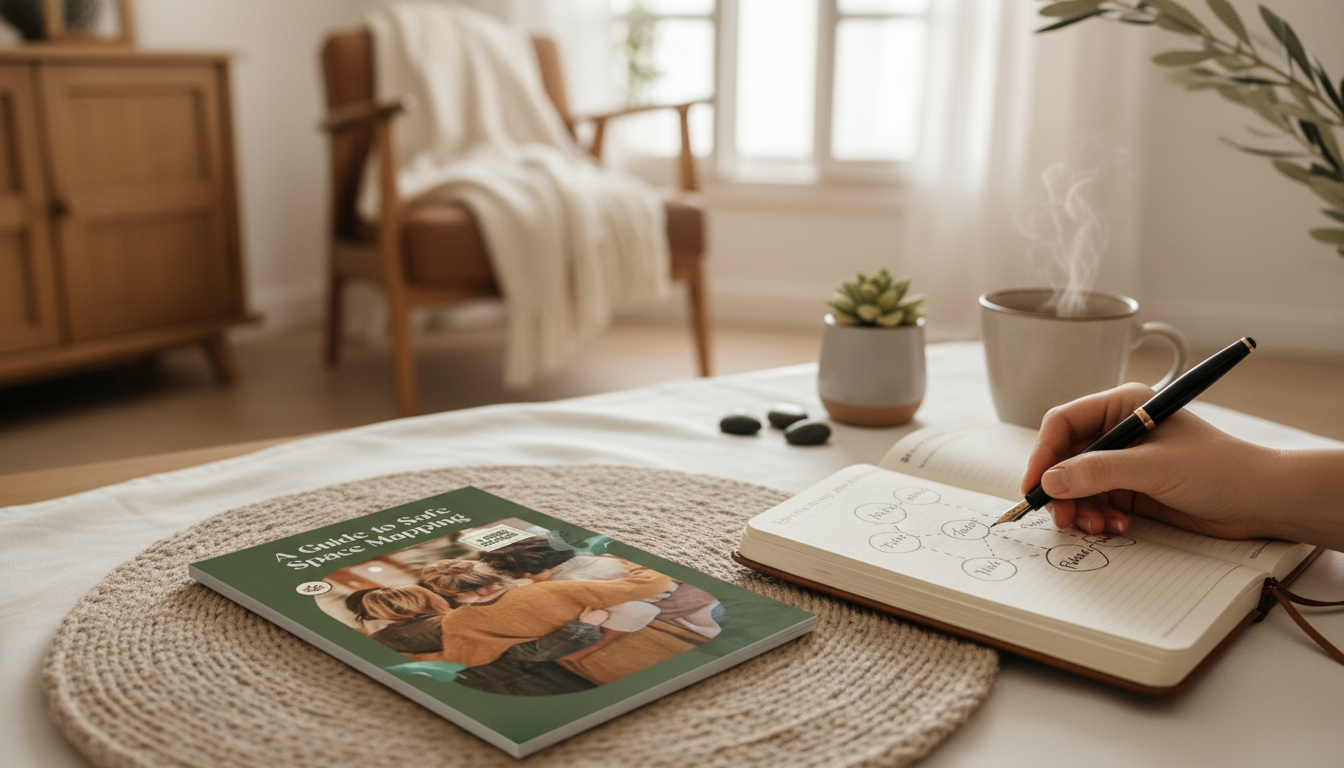
A Guide to Safe Space Mapping: Understanding, Creating, and Using Safe Spaces
Safe space mapping is a practical way to identify where support, comfort, and safety already exist—and where gaps may be impacting daily life. It turns vague impressions (“I dread that meeting” or “I can finally breathe when I get home”) into a clear, usable plan: where to go, who to contact, what helps, and what to do when conditions change. Below is a grounded guide to what safe spaces are, how to map them across home, school, work, online, and community settings, and how to use the map for decisions, boundaries, and healthier routines.
What Safe Space Mapping Means
A “safe space” is a supportive environment that reduces harm and increases psychological, emotional, and sometimes physical safety. In everyday terms, it’s a place (or context) where dignity is protected, needs are taken seriously, and risks are lower.
Safe space mapping is the structured inventory of the environments that influence well-being—places, people, activities, and digital settings—so you can make choices with more clarity. Because “safe” is contextual, what supports one person may not support another due to identity, past experiences, sensory needs, and power dynamics. Resources on psychological safety and trauma-informed care can help clarify what safety looks like in real systems (see the American Psychological Association Dictionary and SAMHSA TIP 57).
Safe spaces also aren’t the same as comfort zones. A safe space can still include growth, feedback, and accountability—without coercion, humiliation, retaliation, or chronic invalidation.
Who Safe Space Mapping Can Help
- Students and educators building classroom norms, identifying supportive staff, and planning responses for stressful moments.
- Managers and HR partners improving workplace climate, communication expectations, and psychological safety practices.
- Counselors, coaches, and peer supporters helping clients define boundaries and coping plans that work across settings.
- Parents and caregivers coordinating consistent supports across home, school, and activities.
- Individuals seeking steadier routines, safer online participation, and a more reliable support network.
Core Elements of a Safe Space Map
- Places: rooms, buildings, outdoor areas, transit routes, and community locations.
- People: trusted individuals, allies, mentors, and professionals (plus notes about availability).
- Practices: grounding skills, routines, accommodations, communication scripts, and exit plans.
- Digital spaces: apps, group chats, platforms, moderation culture, and privacy settings.
- Signals and boundaries: what indicates safety, what indicates risk, and what actions you’ll take when conditions shift.
How to Build a Safe Space Map Step by Step
Step 1 — Choose a focus area
Pick one context to map first: a school day, a workweek, evenings at home, or a specific online community. Narrow scope makes the map actionable instead of overwhelming.
Step 2 — List “anchors”
Step 3 — Identify stress points
Step 4 — Add supports
Step 5 — Define boundaries
Step 6 — Create a simple action plan
Sample Safe Space Map Template (Fill-In)
| Category | Example | Why It Helps | Access Notes | Next Best Alternative |
|---|---|---|---|---|
| Place | Library quiet room | Low noise, predictable rules | Open 10am–6pm; bring headphones | Park bench near community center |
| Person | Trusted colleague/teacher | Nonjudgmental, problem-solves calmly | Available after 3pm; message first | Counselor/mentor hotline |
| Practice | Box breathing + short walk | Reduces panic response, resets focus | Works best within first 5 minutes of stress | Cold water + grounding exercise |
| Digital | Private support chat | Quick encouragement, shared resources | Mute notifications at night; set rules | Journaling app with passcode |
| Boundary | No yelling during conflict | Prevents escalation and shutdown | If yelling starts: pause + separate | Move discussion to email later |
Using the Map in Real Life
- Decision-making: Choose environments that increase safety before high-stakes events like meetings, exams, or hard conversations.
- Boundary conversations: Use the map to name the conditions needed for respectful dialogue (tone, timing, privacy, and repair steps if harm occurs).
- Crisis planning: Identify early warning signs, immediate safer locations, and contact options. Trauma-informed planning guidance is available through the National Child Traumatic Stress Network.
- Routine design: Build “safe anchors” into the day—morning reset, midday check-in, and evening decompression—so support isn’t only reactive.
- Review cadence: Update monthly or after major changes (new job, move, relationship shifts, platform changes, or a stressful incident).
Creating Safer Spaces for Groups
Common Challenges and How to Handle Them
Recommended Tools and Resources
If you want a structured, workbook-style approach, A Guide to Safe Space Mapping | Digital Ebook on Understanding, Creating & Using Safe Spaces is designed to help translate feelings (“this drains me”) into actionable notes (signals, boundaries, alternatives, and support steps) you can revisit after life changes.
For practical day-to-day support, a few simple items can help you carry essentials that reinforce your plan (headphones, grounding tools, reminder cards, or a small notebook). Options include the Vintage Design Fashion Shoulder Messenger Bag for commuting routines and the Dog Walking Waist Bag for Treats & Poop Bags for keeping hands free during walks—often a reliable “safe anchor” activity.
For families, physical safety planning can also be part of a broader map when transportation is a frequent setting. The Child Car Booster Seat can support consistent safety routines during school drop-offs, activities, and transitions.
FAQ
What is safe space mapping?
Safe space mapping is a structured way to identify the places, people, practices, and digital environments that increase or decrease your sense of safety. The goal is to improve clarity, strengthen boundaries, and create a realistic plan for support and exit options when stress rises.
How is a safe space different from a comfort zone?
A safe space reduces harm and supports dignity, even when conversations are challenging or growth is required. A comfort zone is mainly about avoiding discomfort, while a safe space can include feedback and accountability without coercion, humiliation, or retaliation.
How often should a safe space map be updated?
A simple monthly or quarterly review works for most people, with quick updates after major changes like a new job, move, or shifting relationships. It’s also worth revisiting after a stressful incident to add what you learned and adjust supports.











Leave a comment