USB Portable Juicer Blender: Smoothies Anywhere
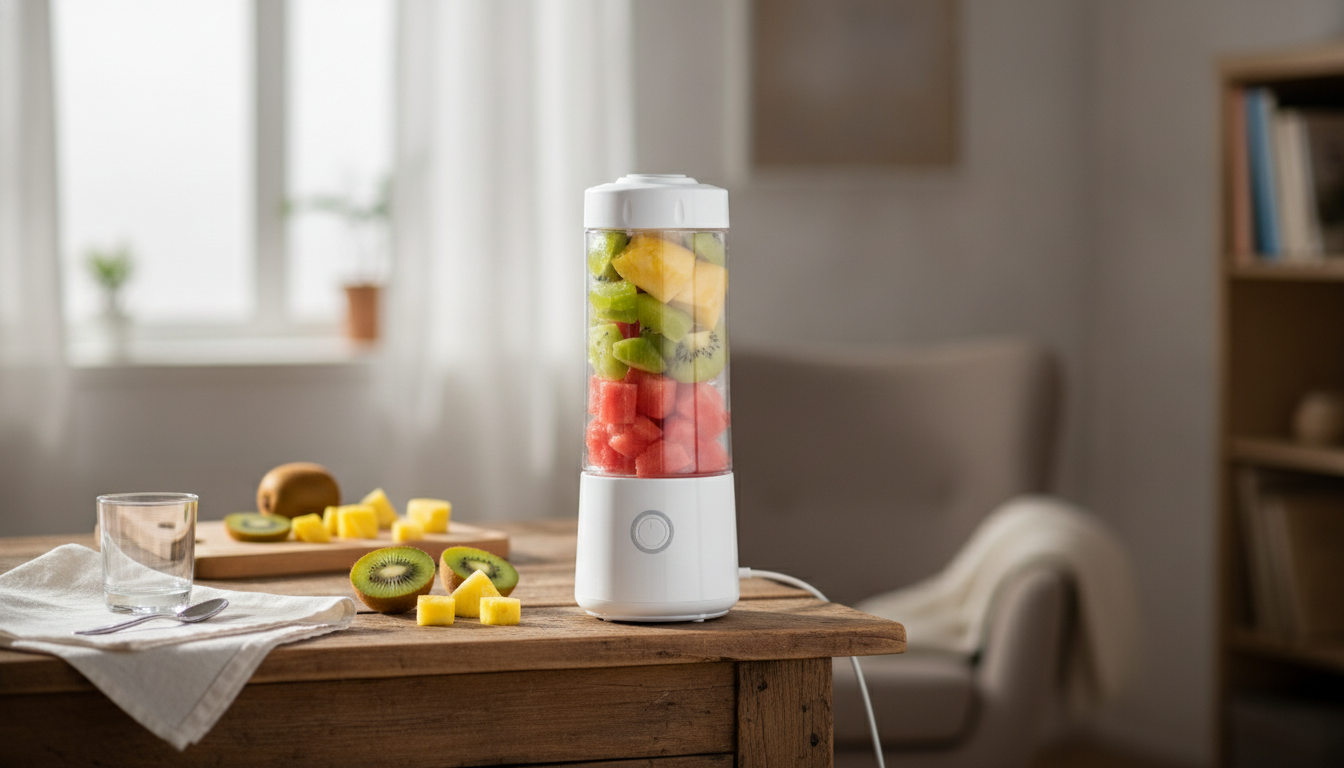
Compact High-Speed Portable Juicer: Fresh Blends Without the Countertop
A compact, USB-powered blender can make fresh smoothies, shakes, and quick fruit blends almost anywhere—at a desk, in a dorm, after a workout, or while traveling. Instead of relying on a full-size base and a kitchen outlet, a portable unit keeps the routine simple: charge it, add ingredients, blend, rinse, and go. This guide covers what a high-speed portable juicer-style blender does best, which ingredients it handles most smoothly, and the everyday habits that help it stay reliable.
What It’s Designed to Do
A portable USB blender is built for single-serve convenience and quick, light blending—especially when ingredients are soft, pre-cut, and paired with enough liquid. It’s a practical fit for:
- Blending personal-size drinks and light mixtures without needing a countertop base
- Turning soft fruits and pre-cut ingredients into smoothies, juice-style blends, and simple purées
- Supporting on-the-go routines: commuting, office snacks, gym recovery drinks, dorm meals, and outdoor days
- Handling small food-prep tasks such as mixing yogurt with fruit, blending baby-food-style purées, and making quick sauces (when ingredients are soft and cut small)
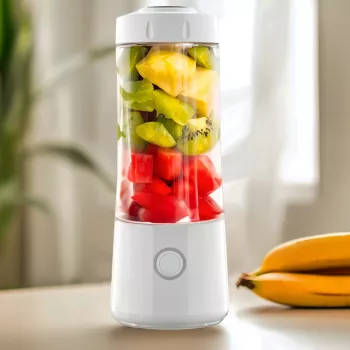
If you want a portable option built for daily blending, see the Compact High-Speed Portable Juicer – USB Powered Fruit Blender & Personal Food Processor.
Where a Portable USB Blender Fits Best
The biggest advantage of a compact blender isn’t replacing a full kitchen—it’s making fresh, portion-sized blends possible in places where a standard blender would be a hassle.
- Workdays: quick breakfast smoothies and afternoon fruit blends without leaving the office
- Fitness: post-workout protein shakes with bananas, berries, or pre-chopped fruit
- Travel and dorm life: compact size and charging convenience when kitchen access is limited
- Small kitchens: reduces countertop clutter while still covering basic blending needs
- Family support: quick soft purées for kids (always follow safe food-handling practices and age-appropriate textures)
For busy, hands-free outings—especially if you’re juggling a water bottle, keys, and a snack—an accessory like the Dog Walking Waist Bag for Treats & Poop Bags can help keep essentials organized on walks and quick trips.
Charging and Power: Practical Expectations
USB power is all about flexibility. Topping up from a laptop, power bank, or USB wall adapter makes it easier to keep a portable blender ready without hunting for a kitchen outlet. To get smoother blends and reduce strain on the motor, a few habits make a noticeable difference:
- Start with enough charge for the full blend cycle
- Avoid overfilling; leaving space helps circulation and reduces strain
- For thicker blends, add liquid first, then soft items, then small frozen pieces if used
- If the blend stalls, stop, shake gently (if the model allows), and restart rather than forcing it to push through
Quick Start Checklist
| Step | What to Do | Why It Helps |
|---|---|---|
| 1 | Charge fully before first use | Supports consistent speed and smoother blending |
| 2 | Add liquid first | Improves blade circulation and reduces air pockets |
| 3 | Cut fruit into small pieces | Helps a compact motor blend more evenly |
| 4 | Fill below the maximum line | Prevents leaks and reduces motor strain |
| 5 | Blend in short cycles if needed | Keeps the mixture moving and helps with thicker recipes |
Ingredient Guide: What Works Well (and What Needs Care)
Portable blenders shine when you treat them like a personal smoothie tool—not a heavy-duty ice crusher. The most consistent results come from soft ingredients and smart prep.
- Easiest ingredients: bananas, berries, mango, watermelon, peaches, kiwi, yogurt, milk, and juice
- Better with prep: apples, pears, carrots, and other firm items should be finely chopped and paired with enough liquid
- Frozen items: use small pieces and combine with liquid; allow a brief thaw if the blend is too thick
- Leafy greens: works best when torn small and blended with a liquid base first
- Not ideal for many portable units: large ice cubes, very hard nuts, or dense fibrous loads without sufficient liquid
For food safety when prepping smoothies ahead of time or carrying ingredients on the go, follow reputable guidance from the FDA and general safe-handling basics from the CDC.
Everyday Use Tips for Smoother Results
Small changes in layering and texture can turn a “stuck” blend into a smooth one, especially with thicker recipes.
- Build the cup in layers: liquid → soft fruit → powders → small frozen pieces
- For protein shakes: dissolve powder in liquid first, then add fruit to reduce clumping
- If using seeds (chia/flax): blend briefly and let sit to thicken rather than over-blending
- For a thinner “juice-style” blend: increase liquid and strain if a pulp-free texture is preferred
- Keep servings realistic: personal blenders shine with single portions, not big batches
Cleaning, Maintenance, and Storage
A Compact Option Worth Considering
If you’re building a more mobile everyday carry setup, the Vintage Design Fashion Shoulder Messenger Bag is another in-stock option for carrying chargers, snacks, and essentials in one place.
FAQ
Can it blend frozen fruit and ice?
Frozen fruit usually works best when pieces are small and combined with enough liquid. Large ice cubes and very hard loads can be difficult for compact portable blenders; use crushed ice or small cubes if supported by the model.
How long does a USB charge typically last?
Runtime varies by battery size, ingredient thickness, and blending time. Many portable units handle multiple single-serve blends per charge, while thicker mixtures and frequent restarts can reduce the number of cycles.
What’s the safest way to clean it quickly?
Rinse immediately after use, then run a short cycle with warm water and a drop of dish soap, followed by a thorough rinse. Keep charging contacts and ports dry and follow the manufacturer’s care instructions.









Leave a comment