Healthy Meal Plan Recipes: 1-Week Reset or 1-Month Routine
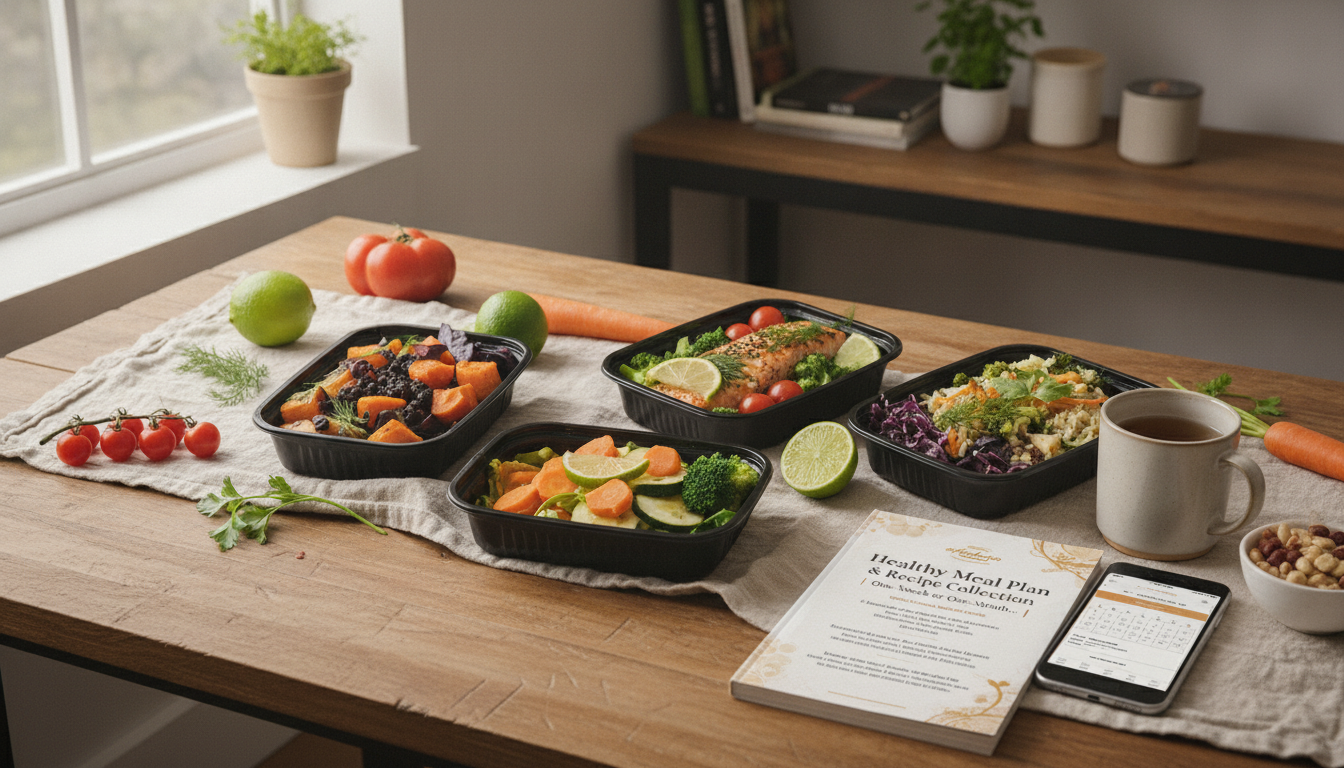
Healthy Meal Plan & Recipe Collection: Build a One-Week Reset or One-Month Routine
A structured meal plan can reduce daily decision fatigue, support steadier energy, and make balanced eating more consistent—without turning cooking into an all-day project. The key is having a repeatable framework for breakfasts, lunches, dinners, and snacks, plus a recipe collection that keeps ingredients practical and portions clear. Below is a realistic way to plan one week (fast start) or one month (repeatable routine), with easy swaps for preferences and dietary needs.
What “balanced” looks like on a plate
Balanced eating is less about perfection and more about a reliable pattern: produce for volume and micronutrients, protein for satisfaction, fiber-rich carbs for steady energy, and healthy fats for flavor and fullness.
- Aim for a mix of vegetables/fruits, protein, and fiber-rich carbohydrates, plus a moderate amount of healthy fats.
- Protein options: poultry, fish, eggs, tofu/tempeh, legumes, Greek yogurt, and cottage cheese.
- High-fiber carbs: oats, brown rice, quinoa, whole-grain bread/pasta, beans, and potatoes with the skin.
- Healthy fats: olive oil, avocado, nuts/seeds, and fatty fish—portion them intentionally (they’re nutrient-dense).
- Hydration and micronutrients matter: get a variety of produce colors, and consider calcium/vitamin D and iron-rich foods based on your needs.
For additional guidance, review the Dietary Guidelines for Americans and the Healthy Eating Plate visual framework.
Choose a timeline: one-week reset or one-month routine
Pick the planning horizon that matches your schedule and motivation right now—both work, and both can be flexible.
- One-week plan: ideal for trying new recipes, resetting your grocery routine, and building momentum without overcommitting.
- One-month plan: best for repeatable habits, rotating favorites, and cutting weekly planning time.
- Practical approach: repeat a 7-day structure four times, swapping proteins, seasonal vegetables, and flavor profiles.
- Plan for real life: include 1–2 mix-and-match meals weekly to absorb leftovers or schedule changes.
One-week vs one-month meal planning comparison
| Feature | One-week plan | One-month plan |
|---|---|---|
| Planning time | Lower upfront, repeated weekly | Higher upfront, less weekly work |
| Variety | High if changing weekly | Best with a rotating recipe set |
| Budget control | Good | Often better with bulk buying |
| Consistency | Great for starting | Great for long-term routines |
| Best for | Trying recipes, quick structure | Habit building, predictable weeks |
A simple structure for breakfast, lunch, dinner, and snacks
Instead of reinventing meals daily, use “formulas” that make portions and balance easier to repeat.
Breakfast: protein + fiber first
- Eggs with vegetables + fruit on the side
- Greek yogurt with berries + chia or flax
- Oats with nut butter + cinnamon + seeds
Lunch: the bowl method
Build a bowl with protein + whole grain (or starchy veg) + 2 vegetables + sauce/dressing. This format works hot or cold and adapts to leftovers.
Dinner: keep prep manageable
- Sheet-pan meals (protein + vegetables roasted together)
- Stir-fries (quick cook, big flavor)
- Soups/chili (batch-friendly, freezer-friendly)
- Slow-cooker recipes (hands-off on busy days)
Snacks: pair for staying power
- Apple + peanut butter
- Hummus + carrots
- Yogurt + nuts
For portions, start with a simple plate method, then adjust based on hunger cues, activity, and goals. If you’re consistently hungry between meals, increase protein or fiber at meals before adding extra snack calories.
Sample one-week framework (swap recipes to match preferences)
Use this week as a template, then rotate ingredients to create a full month without boredom. A helpful rhythm is batch-cooking 1–2 proteins (chicken, tofu, beans) and 1 grain (rice or quinoa) to shorten weekday cooking time.
- Include two fish/seafood meals per week if desired, or replace with plant-based proteins.
- Plan one “leftovers night” to reduce waste and protect your schedule.
Sample 7-day meal plan overview (mix-and-match)
| Day | Breakfast | Lunch | Dinner | Snack |
|---|---|---|---|---|
| Mon | Overnight oats with berries | Chicken/bean grain bowl | Sheet-pan salmon + vegetables | Greek yogurt + nuts |
| Tue | Veggie omelet + fruit | Tuna/chickpea salad wrap | Turkey/tofu stir-fry + brown rice | Hummus + carrots |
| Wed | Yogurt parfait + chia | Leftover stir-fry bowl | Hearty lentil soup + side salad | Apple + nut butter |
| Thu | Oatmeal + cinnamon + seeds | Quinoa salad with roasted veg | Chicken/tofu tacos + slaw | Cottage cheese + berries |
| Fri | Smoothie with protein + spinach | Soup or salad + whole-grain bread | Shrimp/tempeh veggie pasta | Trail mix (portioned) |
| Sat | Avocado toast + egg | Buddha bowl (beans + veg) | Homemade “takeout” rice bowl | Edamame or roasted chickpeas |
| Sun | Whole-grain pancakes + fruit | Leftovers plate | Slow-cooker chili + toppings | Dark chocolate + fruit |
Grocery list strategy that reduces waste
Shop by “modules” so ingredients repeat across meals and don’t languish in the crisper drawer.
Meal prep that feels realistic (not like a second job)
Using a recipe collection to stay consistent
Helpful picks (in stock)
- Healthy Meal Plan & Recipe Collection | One-Week or One-Month Healthy Meal Plan with Recipes for Breakfast, Lunch, Dinner & Snacks | Balanced Nutrition eBook
- Vintage Design Fashion Shoulder Messenger Bag (useful for carrying lunch containers, a water bottle, and snacks on commutes)
- Dog Walking Waist Bag for Treats & Poop Bags (a compact option for hands-free snacks and small essentials on walks)
FAQ
Can a one-week meal plan be repeated for a full month?
Yes. Repeat the same 7-day structure and rotate proteins, vegetables, seasonings, and one or two signature dinners each week to keep variety while keeping planning simple.
How do snacks fit into a balanced meal plan?
Snacks help bridge long gaps between meals and can support steadier energy. Pair fiber (fruit, vegetables, or whole grains) with protein or a healthy fat for better satiety.
What if dietary needs require swaps (vegetarian, dairy-free, higher protein)?
Swap equivalent building blocks: plant proteins for meat, dairy-free yogurt/milks for dairy, and add an extra protein serving as needed while keeping vegetables and fiber consistent.










Leave a comment