Whole You Wellness: 4 Simple Habits for Beginners
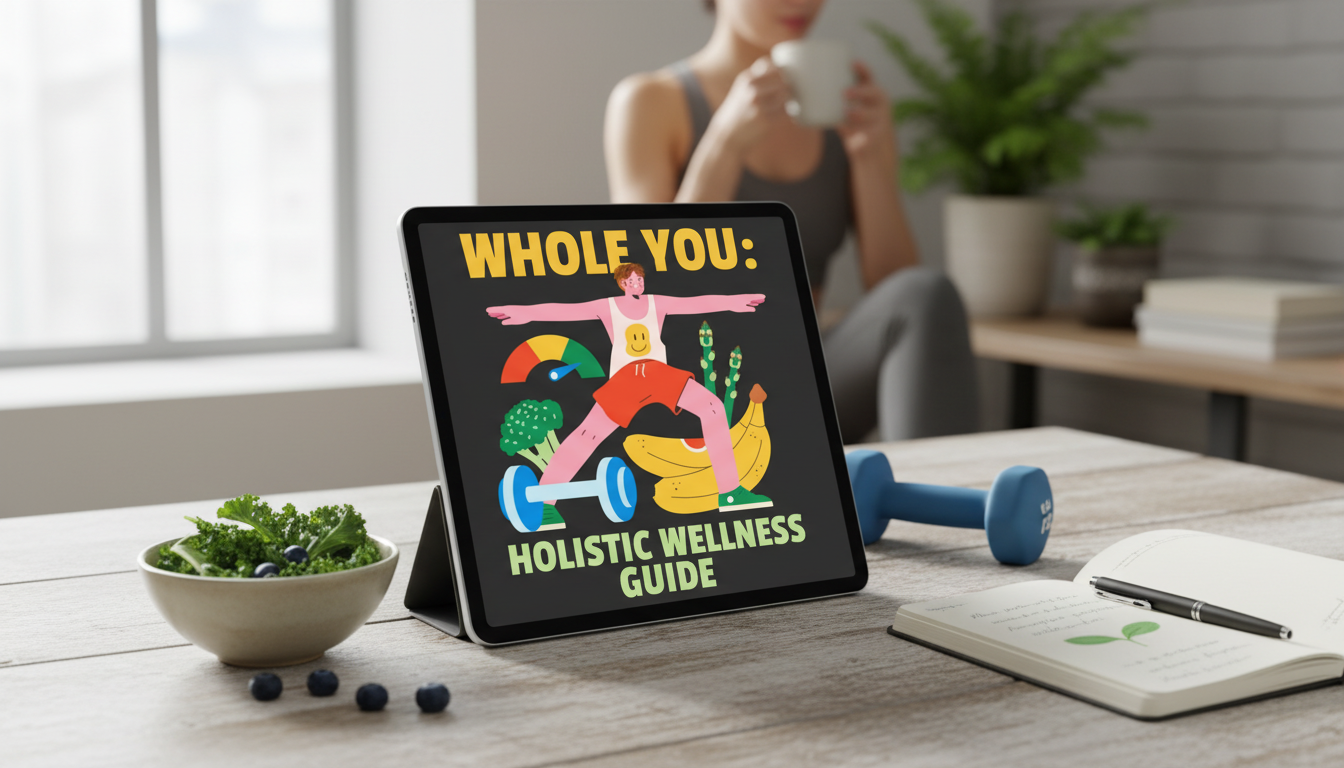
Whole You: A Beginner-Friendly Holistic Wellness Guide for Daily Nutrition, Movement, Mindset, and Self-Care
Holistic wellness works best when the basics feel simple, consistent, and realistic. Instead of trying to “fix everything,” a Whole You approach connects four everyday areas—nutrition, movement, mental health, and self-care—so small choices support each other. The goal isn’t perfection; it’s building routines that hold up on normal days, busy days, and low-energy days.
What “Whole You” Wellness Means (and Why Beginners Benefit)
Whole You wellness treats health as a connected system: what you eat influences energy and mood, movement supports sleep and stress tolerance, and self-care habits make nutrition and exercise easier to maintain. Beginners often benefit most from this because it reduces the pressure to go “all in” on a single plan.
- Small, repeatable actions usually outperform intense plans that are hard to sustain.
- A balanced approach reduces the all-or-nothing cycle by offering options for low-energy days.
- Progress signals to watch: steadier energy, improved mood, better sleep, fewer cravings, and more confidence in routines.
Safety note: If you have chronic symptoms, disordered eating patterns, or a mental health crisis, professional support is important alongside any self-guided routine.
Start with a Simple Baseline (10 Minutes, No Judgment)
Before changing anything, spend one week observing what’s already happening. This keeps you from “fixing” a problem you don’t actually have and helps you spot the easiest lever to pull first.
- Notice meals, movement, sleep timing, stress level, screen time, hydration, and social connection.
- Try a short daily check-in: energy (1–10), mood (1–10), digestion comfort (1–10), and sleep quality (1–10).
- Choose one starter lever (often a consistent wake time, a protein-forward breakfast, or a daily walk).
- Pick one non-negotiable anchor habit that fits even on busy days.
Nutrition Foundations: Build Plates That Support Energy and Mood
Begin with meals that stabilize blood sugar and keep you satisfied longer: protein + fiber-rich carbs + healthy fats. This combo supports steadier energy, fewer cravings, and better focus.
- Beginner upgrades: add protein to breakfast, include a fruit/vegetable at lunch, and add a fiber source at dinner.
- Hydration: pair water with cues you already have (morning routine, meals, after bathroom breaks).
- Gentle meal planning: repeat 2–3 breakfasts and 2–3 lunches for a week to reduce decision fatigue.
- Mindset shift: focus on adding nourishing foods before restricting favorites.
Beginner Plate Builder (Mix-and-Match Ideas)
| Meal | Protein | Fiber-Rich Carb | Healthy Fat | Add-Ons |
|---|---|---|---|---|
| Breakfast | Greek yogurt or eggs | Oats or berries | Nut butter or seeds | Cinnamon, chia, sliced fruit |
| Lunch | Chicken, tofu, or beans | Brown rice or quinoa | Olive oil or avocado | Leafy greens, salsa, herbs |
| Snack | Cottage cheese or hummus | Apple or whole-grain crackers | Nuts | Veg sticks, sprinkle of salt |
| Dinner | Fish, lentils, or turkey | Sweet potato or legumes | Tahini or olive oil | Roasted vegetables, lemon |
Movement for Real Life: Strength, Mobility, and Everyday Steps
Consistency beats intensity. A practical starter plan is 2–3 days per week of structured movement plus daily light activity (like short walks). For general guidance on weekly movement targets, see the CDC’s adult physical activity recommendations.
- A balanced beginner week can include: 2 strength sessions, 1 mobility session, and 2–4 short walks.
- Strength basics: squat pattern, hinge pattern, push, pull, and core brace (bodyweight or light resistance).
- Mobility basics: gentle hips, thoracic spine, ankles, and shoulders to support comfortable movement.
- Make it easier: set clothes out the night before, tie movement to a time cue, and keep sessions short (15–25 minutes).
Mental Health & Stress Support: Quick Tools That Stack Over Time
Stress tools don’t need to be complicated to be effective. The key is choosing a few micro-actions you can repeat daily—especially when motivation is low. For a broader overview of why mental health support matters, the WHO mental health fact sheet is a helpful reference.
Self-Care That Works: Sleep, Recovery, and Personal Boundaries
Self-care is the support system that makes everything else feel more doable. Start with sleep and recovery fundamentals, then add boundaries that protect your time and energy. For sleep basics, the NIH guidance on healthy sleep is a reliable resource.
A 4-Week Beginner Rhythm (Simple, Flexible, Repeatable)
Tools That Make Consistency Easier (Beginner-Friendly Picks)
- Whole You: Holistic Wellness Guide (Digital Download) for coordinated daily and weekly steps across nutrition, movement, mindset, and self-care.
- Dog Walking Waist Bag for Treats & Poop Bags to make quick walks simpler by keeping essentials hands-free (especially helpful when you’re building a daily steps habit).
- Vintage Design Fashion Shoulder Messenger Bag for carrying a water bottle, notebook, or wellness basics when you’re out and about.
Common Roadblocks (and Gentle Fixes)
FAQ
Is holistic wellness appropriate for complete beginners?
Yes—beginners often do best with foundational habits across nutrition, movement, stress support, and sleep. Start small, track how your body responds, and seek professional help if symptoms feel persistent or serious.
How long does it take to notice results from simple wellness changes?
Many people notice shifts in sleep quality, energy, and digestion in 1–2 weeks, especially with consistent meals and sleep timing. Strength, endurance, and body composition typically take longer and depend on recovery and regular practice.
What if there’s only time for one wellness habit right now?
Choose one high-impact anchor—like a consistent wake time, a protein-forward breakfast, or a daily 10-minute walk—and make it easy enough to repeat. Once it feels automatic, add a second habit in another category.












Leave a comment