2.5 Gal Spill-Proof Car Trash Can: Headrest/Console
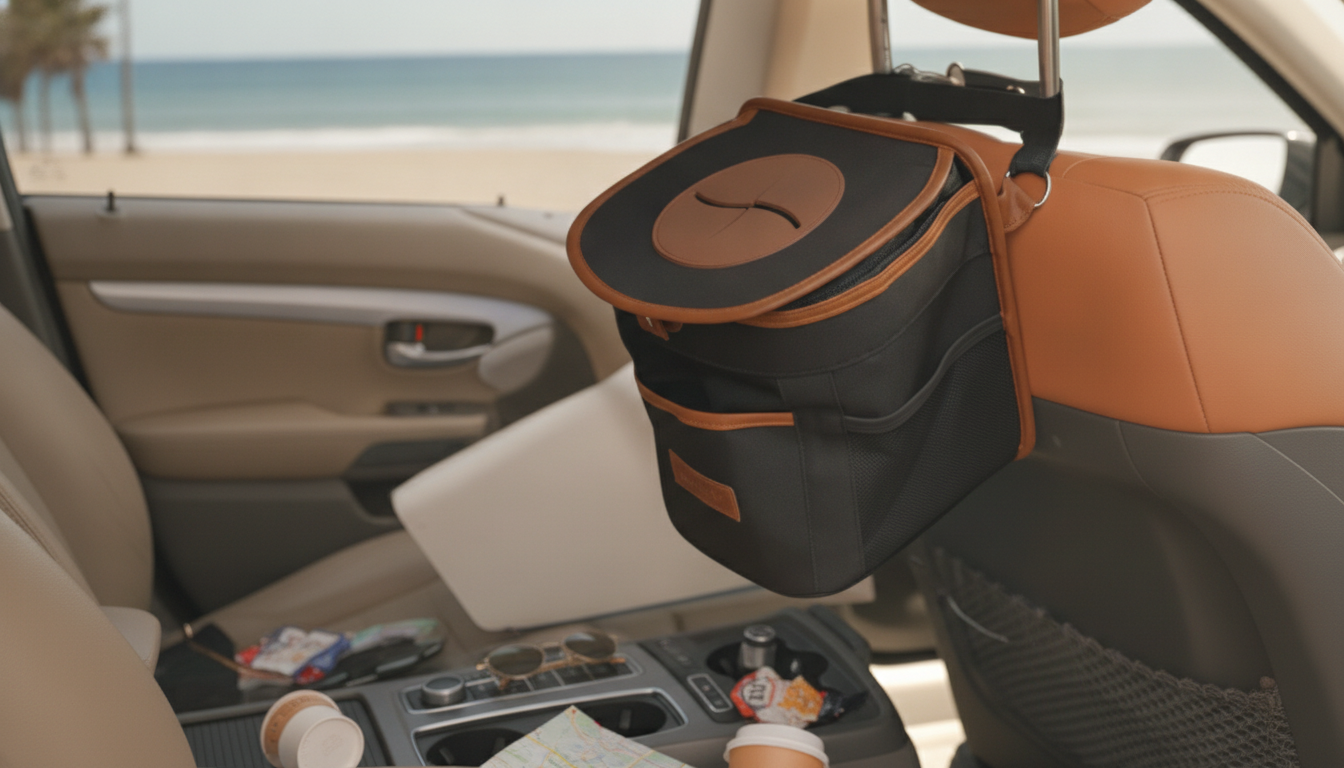
Spill-Proof Car Trash Can (2.5 Gal) With Headrest or Center Console Attachment
A tidy cabin is easier to maintain when trash has a dedicated, leak-resistant place to go. This 2.5-gallon spill-proof car trash can is designed to hang from a headrest or secure to the central console, helping keep wrappers, tissues, and everyday mess contained on commutes, carpools, and road trips.
Why a Dedicated Car Trash Can Changes Day-to-Day Driving
Cars collect clutter fast: receipts, straw wrappers, napkins, and the “temporary” cup that turns into a sticky problem. A dedicated trash can keeps small waste from migrating into every pocket and crevice.
- Reduces loose clutter that slides under seats and into door pockets
- Helps prevent odors by keeping waste consolidated and easier to remove regularly
- Keeps liquids or sticky leftovers from contacting upholstery when the container is spill-resistant
- Improves passenger comfort by giving everyone an obvious place to toss small items
- Supports safer driving by minimizing distractions caused by searching for a place to put trash (see NHTSA guidance on distracted driving)
Key Features That Matter for a Spill-Proof Setup
Not all car trash cans behave the same once you hit potholes, sharp turns, or a sudden stop. The most useful options combine stable mounting, quick access, and materials that clean up without drama.
- Spill-resistant design: look for a closure or structure that reduces tipping and contains leaks
- 2.5-gallon capacity: large enough for daily use without dominating legroom
- Easy access opening: quick drop-in for wrappers and tissues while parked or stopped
- Removable inner bag/liner support: simplifies emptying and keeps the container cleaner
- Materials that wipe clean: saves time after coffee drips, snack crumbs, or muddy tissues
- Stable attachment points: prevents swinging, sagging, or rubbing against seats
What to Check Before Choosing a Mounting Trash Can
| Feature | Why it matters | Practical tip |
|---|---|---|
| Capacity (2.5 gal) | Balances fewer trips to empty with minimal cabin intrusion | If most rides include kids or snacks, size up from tiny bins to avoid overflow |
| Spill resistance | Helps contain wet waste and reduces upholstery damage | Use small disposable bags and avoid overfilling to keep the seal effective |
| Mounting style | Determines accessibility and stability | Headrest is great for backseat access; console mount keeps it reachable from the front |
| Cleaning ease | Affects how often it actually gets maintained | Choose wipeable materials and empty frequently to prevent odor buildup |
| Opening/closure | Controls odors and prevents trash from popping out | A covered or structured top is better for bumpy roads |
Headrest vs. Central Console Attachment: Which Placement Works Best?
The best location is the one that matches where the mess happens most. Think about who rides with you, what they eat or carry, and how often seats get adjusted.
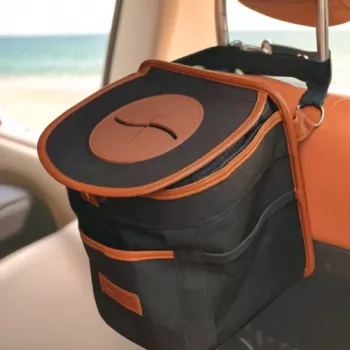
- Headrest attachment: ideal when backseat passengers create most of the trash (kids, carpools, rideshare)
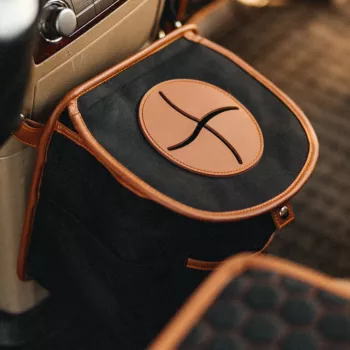
- Console attachment: convenient for drivers and front passengers on solo commutes or work travel
- Legroom considerations: ensure the container hangs without interfering with knees or seat adjustment
- Door clearance and seat movement: verify it won’t catch when sliding seats forward or reclining
- Best practice: pick the placement that aligns with where trash is generated most often
If the trash can will live behind the front seats, adjust the strap so it rests lightly against the seatback instead of swinging freely. If it’s mounted near the console, confirm it doesn’t block shifters, charging cables, or cup holders.
Everyday Use: Keeping Mess and Odors Under Control
A spill-resistant trash can works best with a simple routine. Small habits reduce odor, keep the interior from getting sticky, and make emptying quick enough that it actually happens.
- Line it every time: a small bag makes emptying faster and keeps the interior cleaner
- Create a quick routine: empty at the gas station, after school pickup, or once a week
- Separate wet items: consider a small sealable bag for coffee cups, fruit peels, or anything damp
- Avoid overfilling: a half-full container stays more stable and is less likely to spill
- Wipe and reset: a quick wipe-down prevents sticky buildup and lingering smells (general cleaning guidance: CDC cleaning and disinfecting basics)
Where This 2.5-Gallon Size Fits Best
Product Snapshot: Spill-Proof Car Trash Can – 2.5 Gal
Spill-Proof Car Trash Can – Car Trash Bag – 2.5 Gal – Headrest/Central Console Attachment
Pairing Ideas for a Cleaner, More Organized Cabin
- For families: a consistent cleanup routine is easier when kid gear has dedicated storage and seating setups; pair with a properly positioned Child Car Booster Seat so snacks, drinks, and small items stay more manageable.
- For travel days: keep a small kit nearby (liners, wipes, sanitizer) so the trash can stays functional from the first stop to the last.
- For pet trips: carry poop bags, treats, and wet wipes separately so the trash can stays focused on in-car waste; a compact organizer like a Dog Walking Waist Bag for Treats & Poop Bags can help stage supplies before and after stops.
FAQ
Will a headrest-mounted trash can swing around while driving?
It can if the strap is loose or the bin is overfilled. Tighten the straps and position the trash can so it rests lightly against the seatback; keeping it below half-full also helps reduce swinging on turns and bumps.
How often should a car trash can be emptied to prevent odors?
Empty it at least weekly, and sooner after any food or wet waste. Using liners, sealing damp items in a small bag, and wiping the interior occasionally keeps odors from settling in.
Does a spill-proof trash can handle liquid drips from cups or food containers?
Spill-resistant designs can contain minor leaks, but best results come from lining the bin and bagging anything wet. Avoid pouring liquids directly into the container and remove leaking items as soon as possible.






Leave a comment