Adulting Made Simple: Money, Communication & Life Systems
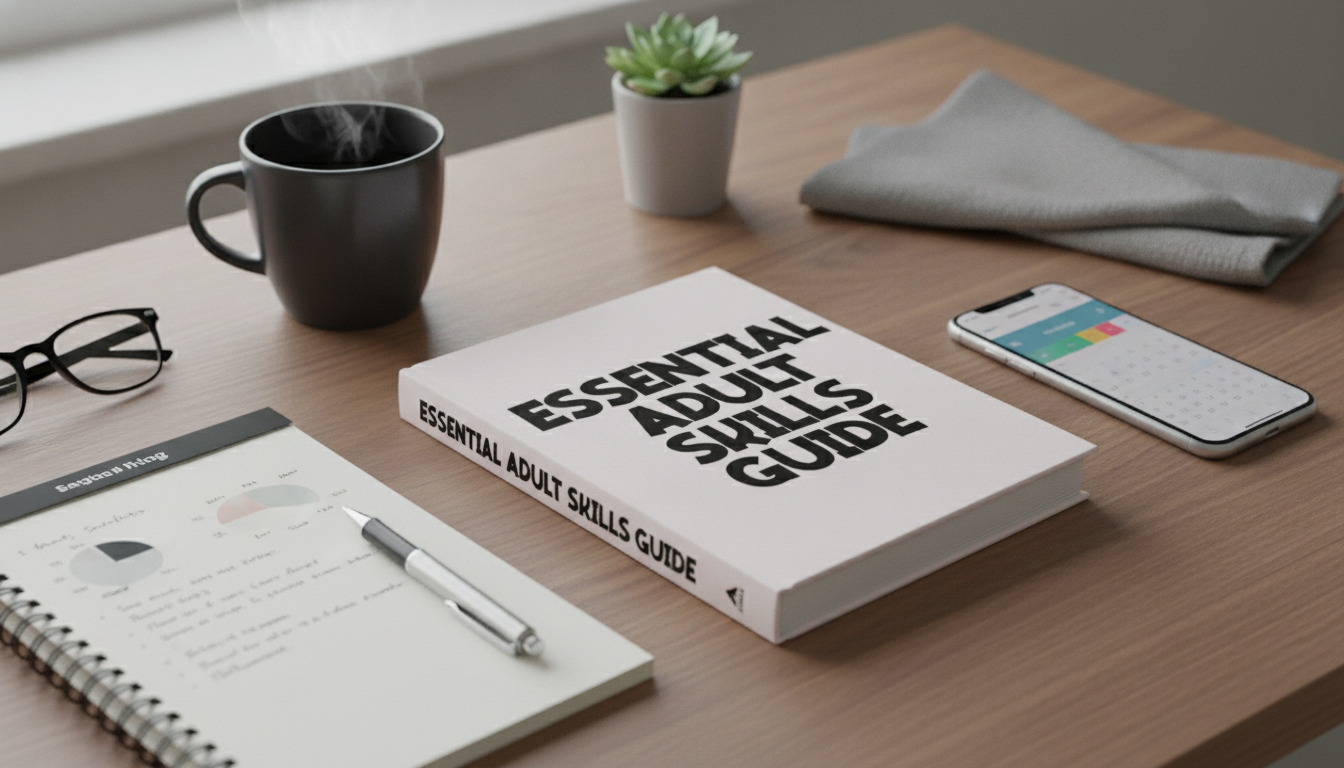
Essential Adult Skills Guide for Everyday Success
Adulting gets easier with a small set of repeatable skills: managing money, communicating clearly, evaluating information, and running daily life with simple systems. The goal isn’t to become “perfect” at everything—it’s to reduce avoidable stress with routines that keep bills paid, relationships calmer, and daily tasks from piling up. Below is a practical roadmap that can be started in one weekend and improved a little each week.
A simple “adulting” framework: stability, clarity, and follow-through
Most everyday problems fall into four pillars: money (stability), communication (clarity), media literacy (discernment), and life management (follow-through). When one pillar slips, the others get harder—miss a bill and stress spikes; feel overwhelmed and communication turns reactive; scroll too much and time disappears.
A steady cadence works better than big overhauls: plan once, review once, and adjust in small steps. Start by building safeguards (bills, deadlines, backups, passwords), then optimize (savings rate, routines, boundaries). That order matters because “secure first, improve second” prevents recurring emergencies.
Budgeting basics that work even with irregular income
Start with a “must-pay” list: housing, utilities, food, transport, minimum debt payments, and essential insurance. This becomes the baseline that keeps your life running even in a lean month. If you have irregular income, your budget should be built from the minimum you reliably expect—not your best month.
Pick one method for the next 30 days and don’t mix systems midstream:
- Zero-based budget: assign every dollar a job (bills, spending, debt, savings).
- 50/30/20: needs/wants/savings-debt as a starting framework.
- Bills + spending + goals: a simple split that’s easy to maintain.
Create a bill calendar with due dates, autopay status, and a small buffer amount. Over time, aim for at least one paycheck of cushion so a delayed deposit doesn’t trigger late fees. If possible, use two accounts: one for bills and one for spending, with an automatic transfer right after payday. Finally, track only what matters—usually the top 5 categories that drive overspending (often dining out, subscriptions, groceries, transport, and impulse buys).
For practical budgeting templates and consumer-friendly tools, the Consumer Financial Protection Bureau (CFPB) has solid, straightforward resources.
Quick budget setup (one-weekend starter plan)
| Step | What to do | Outcome |
|---|---|---|
| List fixed costs | Write monthly amounts and due dates for bills and minimum payments | No surprises and fewer late fees |
| Estimate variable costs | Set caps for groceries, fuel/transit, and personal spending | Spending guardrails |
| Choose a savings target | Start small (e.g., 1–5%) and scale with raises | Progress without burnout |
| Automate and separate | Autopay essentials; transfer spending money to a separate account | Less decision fatigue |
| Weekly check-in | 10 minutes to compare plan vs. actual and adjust | Consistency over perfection |
Debt, credit, and financial protection habits
If debt is part of your life, protect your credit history while you pay it down: keep minimums on everything, then prioritize the highest-interest balance first. That approach prevents late marks while reducing the fastest-growing costs.
Know the basics of credit: payment history and utilization (how much of your available credit you’re using) are major drivers. Keeping utilization low when possible can help stabilize your score over time.
Build an emergency fund ladder: a $100 starter buffer, then one month of essential expenses, then three months. Even the first rung matters because it turns a surprise expense into an inconvenience rather than a crisis.
Finally, financial protection is an adult skill: use strong passwords, turn on two-factor authentication, and review accounts routinely to catch fraud early. The Federal Trade Commission (FTC) offers clear guidance on spotting phishing attempts, which are one of the most common ways people lose access to accounts.
Communication skills that reduce conflict and raise trust
Communication isn’t about winning; it’s about being understood and creating workable next steps. The fastest improvement usually comes from replacing vague frustration with clear requests. “Can you do X by Y time?” is more actionable than “You never help,” because it gives a specific behavior and deadline.
Media literacy for daily life: spotting manipulation and misinformation
For a practical approach to evaluating online information, the Stanford History Education Group’s research-backed tools are a helpful reference: Stanford History Education Group.
Life management systems: time, health, home, and paperwork
Putting it together: a 30-day skill-building plan
A practical companion guide for skill-by-skill checklists
If step-by-step prompts and ready-made checklists help routines stick, a dedicated companion can keep the pillars simple and consistent. The Essential Adult Skills Guide | Budgeting, Communication, Media Literacy & Life Management Tips for Everyday Success is designed for repeatable, everyday use—especially when motivation is low and you just need the next small step.
To support day-to-day organization, it can also help to keep “life admin” items contained in one place. A structured carry option like the Vintage Design Fashion Shoulder Messenger Bag can make it easier to keep a notebook, documents, chargers, and essentials together. And if daily routines include pet care, a dedicated grab-and-go option like the Dog Walking Waist Bag for Treats & Poop Bags helps reduce forgotten items when you’re heading out the door.
FAQ
What adult skills should be learned first?
Start with the essentials that prevent emergencies: paying bills on time, creating a simple budget, basic communication scripts for conflict, and a weekly planning routine.
How can budgeting feel less overwhelming?
Use one method for 30 days, automate bills, track only a few high-impact categories, and do a short weekly check-in instead of daily micromanaging.
How can misinformation be checked quickly?
Confirm the source, date, and author; look for corroboration from reputable outlets; and verify images with reverse-image search before sharing.











Leave a comment