Aluminum Car Trash Can for Odor-Free, Tidy Drives
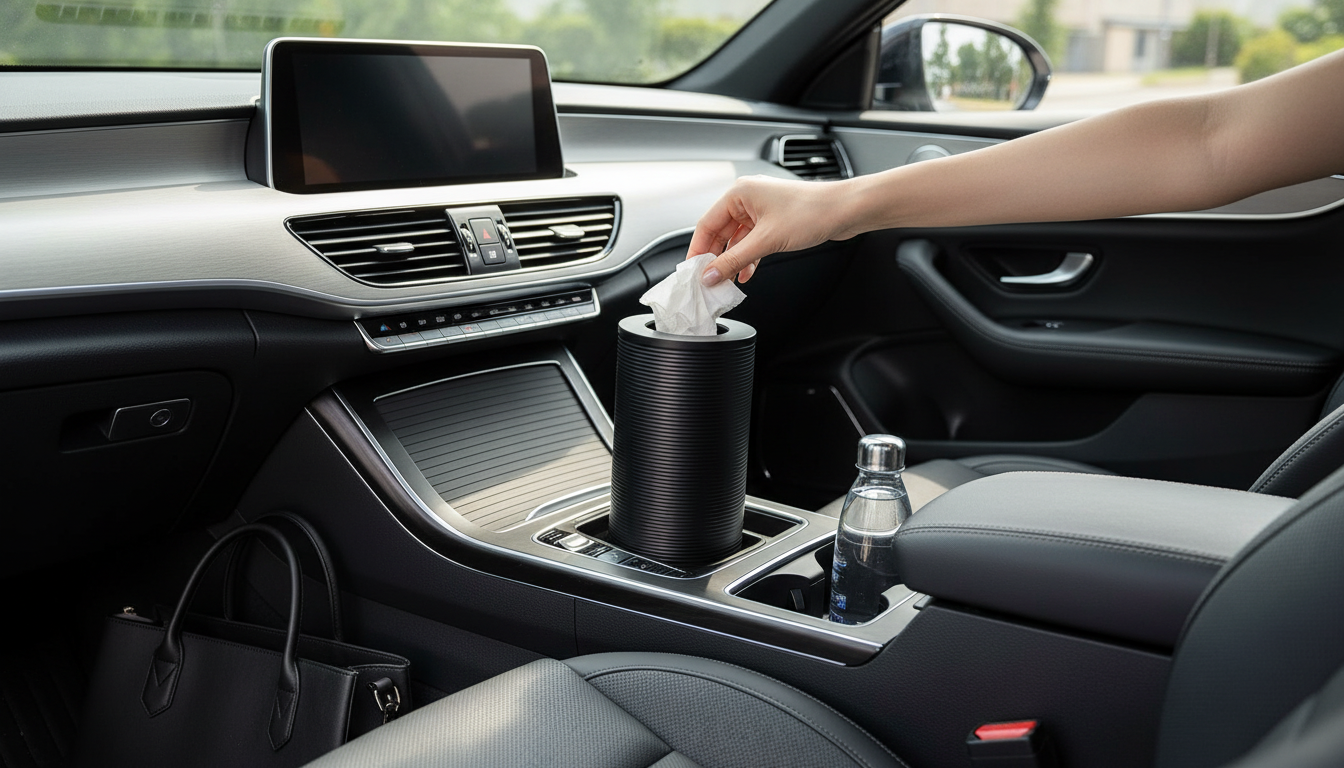
Aluminum Car Trash Can: A Clean, Secure Way to Handle Roadside Mess
Snack wrappers, receipts, tissues, and coffee cup lids add up fast—especially on commutes and road trips. An aluminum car trash can offers a sturdy, easy-to-clean solution that stays put, helps contain odors, and keeps loose trash from sliding under seats or into footwells. A cleaner cabin can also reduce the temptation to reach for rolling items while driving—an important part of staying focused on the road (see the National Highway Traffic Safety Administration’s guidance on distracted driving).
Why an aluminum trash can makes sense in a vehicle
Cars are tough environments for small containers: heat swings, tight spaces, sudden stops, and constant vibration. Aluminum handles these conditions better than many lightweight alternatives.
- Durable shell: Resists cracking and warping compared with thin plastic bins that can deform over time.
- Fast cleanup: Smooth metal is simple to wipe down after spills, crumbs, or sticky residue.
- More stable feel: A solid body tends to feel steadier when opening/closing the lid and when the car turns or brakes.
- Less cabin clutter: Loose wrappers and bottles can become rolling distractions—containing them helps keep attention where it belongs.
It also supports good habits beyond your vehicle: keeping trash contained makes it easier to dispose of properly at stops, aligning with litter-prevention goals highlighted by the U.S. EPA.
What to look for before choosing one
Not every in-car trash setup works in every cabin layout. Before buying, match the design to how you drive and who rides with you.
- Fit and placement: Confirm where it will sit—center console area, door-pocket zone, behind the seat, or on the floor—without interfering with pedals or seat rails.
- Lid style: A lid helps contain odors and reduces the chance trash pops out when you hit bumps.
- Liner compatibility: Check whether standard mini liners fit and whether the rim holds bags securely (a loose liner can slip and create a mess).
- Stability features: Look for a non-slip base, mounting strap, or a shape that can tuck snugly against a console or seat track cover (without blocking the track).
- Capacity: Small often works best for daily use; larger capacities suit families and longer trips but may need more secure mounting to prevent tipping.
- Cleaning access: Smooth interior surfaces and removable parts make rinsing and wiping easier after sticky trash.
How to set it up so it doesn’t tip or rattle
A good bin is only as good as its placement. The goal is “reachable when parked, stable when driving.”
- Pick a low-traffic spot: Avoid areas where knees, seat adjustments, or cup holders are frequently used.
- Use a liner from day one: Liners reduce residue and odors. Fold the liner edge neatly under the rim for a tight hold.
- Add a small absorbent pad: A folded paper towel at the bottom helps catch drips from bottles or takeout containers.
- Floor placement safety: If it sits on the floor, position it where it can’t slide into the pedal area; a non-slip mat can help keep it planted.
- Secure near console/seat: If it’s behind a seat or beside the console, tighten straps or wedge it snugly so it stays stable on turns.
Everyday use: keeping odors, spills, and clutter under control
Small routines keep a small trash can working like a big one—without turning into a smell source.
Aluminum vs. common alternatives
| Option | Best for | Trade-offs |
|---|---|---|
| Aluminum can with lid | Daily commutes, families, clean interiors | Needs stable placement; can rattle if left loose |
| Fabric/collapsible bin | Occasional use, easy storage | Odors can linger; harder to deep clean |
| Thin plastic mini bin | Budget setups | May crack/warp; stains and smells can persist |
| Hanging trash bag | Quick access from seats | Can swing; requires secure attachment |
Featured option: Aluminum Car Trash Can
If you want a durable, tidy-looking solution for everyday mess, the Aluminum Car Trash Can is a practical upgrade from makeshift bags and flimsy plastic bins. It’s designed to keep small trash contained and the cabin looking organized.
Helpful add-ons for a cleaner car
- Spare liners: Keep a small pack in the glove box so the bin is always ready.
- Quick wipe option: A microfiber cloth helps after drive-thru runs or sticky fingers.
- Family organization: When kids ride along, a dedicated storage item helps prevent trash from mixing with snacks and toys—especially when paired with safety essentials like a Child Car Booster Seat to keep seating secure and comfortable.
- Pet-owner support: Keep waste bags separate so they don’t end up loose in the cabin; a compact organizer like the Dog Walking Waist Bag for Treats & Poop Bags makes it easier to keep pet items contained during stops.
FAQ
Where should a car trash can be placed for safety?
Place it in a stable spot where it won’t slide into the driver footwell or interfere with pedals, seat rails, or seat adjustments. Common safe locations include beside the center console, behind a front seat (secured), or in a snug floor position away from the pedals.
How often should a car trash can be emptied?
Empty food waste daily or every couple of days to prevent odors, and empty dry trash weekly or whenever it reaches about three-quarters full. In hot weather, empty sooner since heat speeds up smells and bacteria growth.
What’s the easiest way to prevent odors in a small car trash can?
Use a liner, keep liquids out, and remove food waste promptly; keeping the lid closed also helps. For extra control, place a small baking soda sachet or charcoal pouch nearby and replace it periodically.







Leave a comment