Calm Your Mind: Audio Guided Meditation for Anxiety
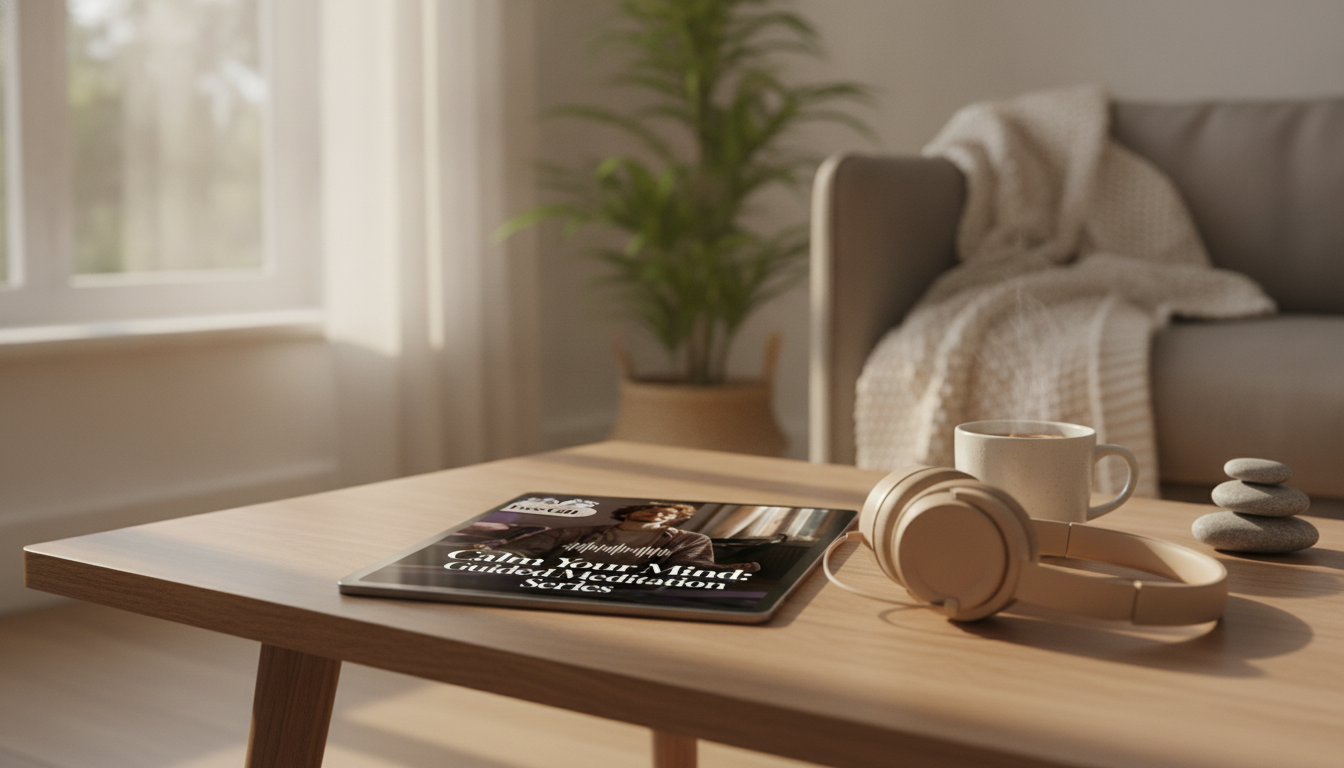
Racing thoughts, a tight chest, and a constant sense of being “on edge” can make it hard to rest, focus, or feel like yourself. A guided meditation series offers a simple structure: press play, follow the voice, and practice calming skills you can use during stressful moments and as a daily routine. Below is a clear breakdown of what an anxiety-relief audio course is, who it fits, how to use it effectively, and what to look for when choosing a guided meditation program.
What this guided meditation series is
A guided meditation audio course is a voice-led series designed to gently train attention, breathing, and body awareness with step-by-step prompts. Instead of trying to “do it right” on your own, you follow a clear sequence—settle your posture, cue the breath, scan the body or use a simple visualization, and close in a calm, grounded way.
Many series include both short tracks (useful when anxiety spikes and you need a quick reset) and longer tracks (helpful for unwinding at night or building a steadier daily practice). Over time, repeated practice can support calmer stress recovery, better emotional regulation, and a stronger ability to return to the present moment when your mind starts running.
How guided meditation can help with anxiety symptoms
Anxiety often feeds on an attention loop: the mind predicts danger, the body reacts, and those sensations can fuel even more alarming thoughts. Guided meditation helps interrupt that cycle by shifting attention away from catastrophic thinking and toward direct, neutral sensations—breath, sound, and physical contact points in the body.
Many practices also encourage slower breathing patterns and longer exhales, which can reduce physiological arousal like muscle tension and a racing heart. Another benefit is learning to notice uncomfortable feelings without reacting immediately. That “pause” is a skill you can take into real life—work stress, social situations, or moments of overwhelm.
For sleep, meditation can serve as a consistent downshift cue. A steady voice, softer pacing, and a calming focus can reduce mental chatter before bed and make it easier to transition into rest. For a broader overview of meditation and mindfulness, see resources from NCCIH and the American Psychological Association.
Common moments to use a session
| Situation | What to play | Goal |
|---|---|---|
| Morning worry before the day starts | Short grounding meditation (5–10 min) | Settle the nervous system and reduce anticipatory anxiety |
| Midday stress spike | Breathing + body scan (8–15 min) | Lower physical tension and regain focus |
| Evening rumination | Longer calming session (15–25 min) | Create a clear transition into rest |
| Before a difficult conversation | Confidence/centering meditation (5–10 min) | Steady attention and reduce reactivity |
What to expect in an audio course format
With an audio course, the voice does some of the heavy lifting. On high-anxiety days, that structure can keep the mind from drifting into worry spirals. Most people see progress through repetition: returning to the same tracks helps your body recognize the cues for slowing down and letting go.
Expect a mix of anxiety-supportive techniques such as breath awareness, progressive relaxation, body scanning, and compassionate self-talk. You can usually practice seated, lying down, or even walking slowly (depending on the track). It’s also normal to notice restlessness, sleepiness, or a wandering mind—those aren’t signs of failure; they’re part of the training process.
How to get better results from the series
Who this course is best for (and who should adapt)
Some people may need adaptations—especially those with trauma histories. Consider shorter sessions, practicing with eyes open, and focusing on external anchors (like sounds in the room) if internal sensations feel too intense. And while meditation can be supportive, it isn’t a replacement for professional care. If anxiety is severe, persistent, or includes panic attacks or depression, consider additional support from a qualified clinician; the National Institute of Mental Health offers an overview of anxiety disorders and treatment options.
Course snapshot and key details
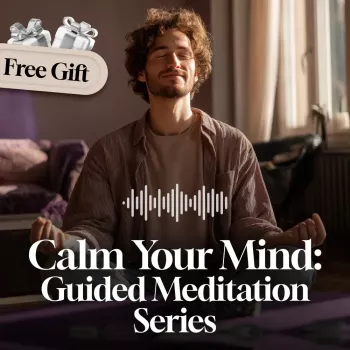
If you want a structured, repeatable audio program specifically designed for calm and anxiety support, the Calm Your Mind: Guided Meditation Series audio course offers a straightforward way to begin: press play, follow along, and repeat the tracks that help you most.
Product overview
| Item | Details |
|---|---|
| Name | Calm Your Mind: Guided Meditation Series | Audio Course | Anxiety Relief Meditation |
| Price | 86.97 USD |
| Availability | In stock |
| Best for | Structured guided sessions for calming and anxiety support |
| Link | View product |
Simple ways to pair meditation with daily calming habits
For reinforcing calm on the go, build a one-breath reset into your routine: inhale gently, exhale longer, and relax the jaw and shoulders. If you like carrying essentials that make breaks simpler (headphones, water, a small notebook), a roomy everyday bag can help you stay consistent—consider the Vintage Design Fashion Shoulder Messenger Bag. If walking is part of your decompression routine, keeping hands free can make those minutes feel more restorative; the Dog Walking Waist Bag for Treats & Poop Bags is a simple option for carrying small items during an outdoor reset.
FAQ
How often should guided meditation be used for anxiety relief?
Daily short practice (about 5–15 minutes) tends to work better than occasional long sessions. You can also use “as needed” tracks during stress spikes, but consistency is what builds the skill over time.
What if meditation makes anxiety feel stronger at first?
It’s common to feel restless or more aware of discomfort early on. Try shorter sessions, keep your eyes open, focus on grounding sensations like your feet on the floor, and pause if you feel overwhelmed; seek professional support if symptoms are intense.
Can guided meditation help with sleep and racing thoughts at night?
Yes—wind-down sessions with slower pacing and longer exhales can help the body shift toward relaxation. Pair a gentle track with a low-stimulation bedtime routine, and avoid energizing sessions late in the evening.






Leave a comment