Dog Walking Waist Bag: Treats, Poop Bags & Essentials
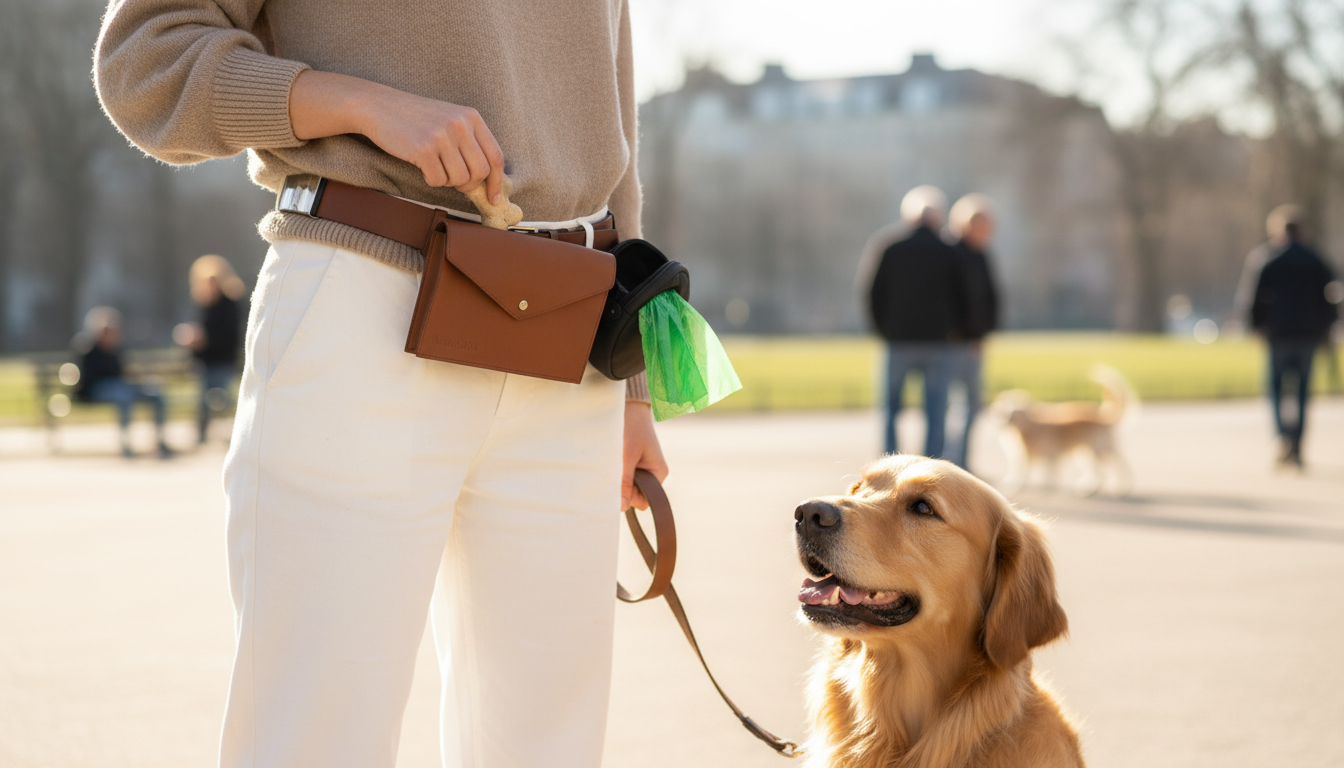
Dog Walking Waist Bag for Treats & Poop Bags
A hands-free waist bag keeps the essentials close so walks feel simpler: treats ready for quick rewards, poop bags easy to grab, and small personal items secure. This style is especially useful for training sessions, busy sidewalks, and multi-dog walks where fumbling with pockets can slow everything down.
Why a waist bag makes walks easier
Dog walks rarely stay predictable for long. A waist bag helps keep your routine steady when your dog speeds up, stops to sniff, or needs a quick redirect.
- Keeps both hands available for leash control, doors, and cues during training
- Speeds up rewarding good behavior by keeping treats accessible
- Reduces forgotten essentials by giving each item a consistent place
- Helps keep pockets free of crumbs, odors, and loose bags
What this bag is designed to carry
A good dog-walking waist bag isn’t meant to replace a full daypack. It’s built for the items you reach for most during a typical loop around the neighborhood, a short training session, or a quick park visit.
- Treats for training and reinforcement (especially helpful for frequent small rewards)
- Poop bags for quick cleanup stops
- Keys, cards, and a phone for short errands or park walks
- Small extras like a clicker, lip balm, or a folded note with emergency info
Comfort and fit for different walking styles
Fit is what turns a convenient bag into something you’ll actually keep using. A secure waist bag should stay close to the body so it doesn’t swing when your dog changes direction.
- Look for an adjustable strap so the bag can sit at the waist or slightly cross-body for stability
- A snug, bounce-minimizing fit helps during brisk walks, jogging, or when a dog suddenly changes direction
- Positioning matters: center-front for fastest access to treats, or slightly off to the hip for longer walks
- If layering clothing in colder months, ensure the strap length still allows a secure fit
For training-heavy routes, wearing the bag center-front makes reward delivery faster (timing matters for positive reinforcement, as emphasized by the American Kennel Club’s positive reinforcement guidance). For longer strolls where comfort is the priority, shifting the bag slightly toward your hip can reduce pressure and keep your stride natural.
Organization that supports training on the go
Organization isn’t just about neatness—it’s about speed. When your dog offers a great check-in, sits calmly at a curb, or ignores a distraction, you want to reward in the moment without digging around.
- A dedicated treat area helps prevent mixing food with keys or waste bags
- A quick-access opening is useful when timing matters for reinforcing cues
- Separate pockets can keep personal items clean and easy to find
- A poop-bag access point (or easy-to-reach pocket) helps reduce delays during cleanup
For hygiene, keep waste bags in their own pocket and avoid placing used bags back into the main compartment. Basic hand hygiene matters after handling pet waste; the CDC’s Healthy Pets, Healthy People resource is a helpful reference for everyday best practices.
Waist bag vs other carry options
There are plenty of ways to carry walking gear. The best choice depends on how often you reward, how long you’re out, and how much you like to keep on you.
Quick comparison for everyday dog walks
| Option | Best for | Trade-offs |
|---|---|---|
| Waist bag | Hands-free walks, quick rewards, carrying essentials | Less capacity than a backpack |
| Clip-on treat pouch | Focused training sessions with frequent treats | Limited space for phone/keys and poop bags |
| Small backpack | Long outings with water and extra gear | Slower treat access; can bounce or shift |
| Pockets | Very short walks | Messy, harder to stay organized |
If your dog’s daily routine includes steady movement and appropriate activity, consistency helps. For general guidance on exercise needs, the AVMA’s overview of dog exercise offers a useful baseline to consider as you plan walk length and intensity.
Everyday use tips for smoother walks
Small habits make a waist bag feel effortless. Setting it up the same way each time reduces “Where did I put that?” moments, especially on busy sidewalks.
- Pre-load poop bags and confirm one is easy to grab before leaving home
- Use small, low-crumb treats to keep the bag cleaner and reduce buildup
- Keep personal items in a separate pocket from treats to avoid odors and residue
- After wet walks, empty the bag and let it air out to help prevent lingering smells
Care, cleaning, and hygiene
When this style is the right choice
Product options in stock
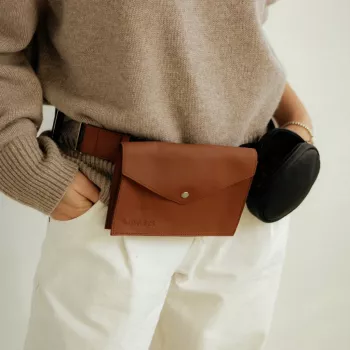
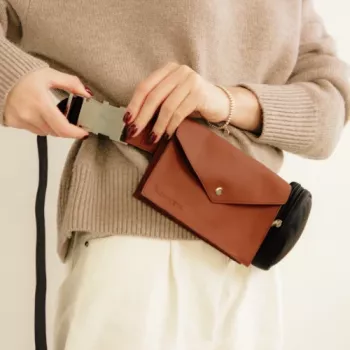
- Dog Walking Waist Bag for Treats & Poop Bags — a compact, hands-free way to keep treats, poop bags, and small personal items together for daily walks. Works well for short errands, quick training sessions, and regular neighborhood routes.
- Vintage Design Fashion Shoulder Messenger Bag — a larger carry option if you prefer more room for personal items on longer outings (less training-focused access than a waist bag, but useful when capacity matters).
FAQ
Can a waist bag hold both treats and poop bags without getting messy?
Yes—use separate pockets or sections so treats never share space with waste bags, and consider a small zip bag or liner for treats. Wiping crumbs regularly and keeping a dedicated “clean items” pocket helps control residue and odors.
Where should a waist bag sit for the most comfortable walk?
Wear it snug enough to minimize bounce, either centered in front for the fastest treat access or slightly on the hip for longer, more relaxed walks. Adjust the strap for layers so the bag stays stable as you move.
What treats work best for carrying in a walk bag?
Small, low-crumb, less-greasy treats are easiest to carry and clean up. If you prefer softer treats, store them in a small pouch or zip bag and replace them frequently to keep the bag fresh.







Leave a comment