Global Travel Etiquette eBook: Tipping, Dress & Greetings

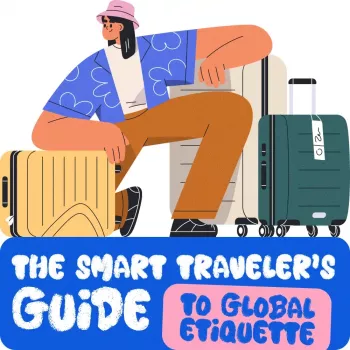
The Smart Traveler’s Guide to Global Etiquette (Digital Download): Cultural Tips, Travel Etiquette, and International Manners
Smooth travel often comes down to small choices: how to greet, when to tip, what to wear, and what to avoid saying or doing. This digital download eBook helps travelers navigate everyday situations across cultures with practical etiquette guidance—useful for vacations, business trips, study abroad, and family travel. Keep it on a phone, tablet, or laptop for quick reference before and during a trip.
What This Digital Download Helps With
- Quick, practical etiquette guidance for common travel moments: greetings, dining, dress, gift-giving, and public behavior
- Reduces awkward misunderstandings by highlighting norms that differ across countries and regions
- Supports confident interactions with hosts, hotel staff, guides, colleagues, and locals
- Works well as a pre-trip refresher and an on-the-go reference
Instead of guessing in the moment, you can check the likely expectations and show respect in ways that locals recognize—often with simple adjustments that cost nothing and mean a lot.
When Good Manners Matter Most While Traveling
- Arrivals and first impressions: greeting styles, personal space, and eye contact expectations
- Restaurants and home meals: ordering politely, table manners, and what “finishing the plate” can signal
- Transportation and queues: line etiquette, seat priority customs, and noise expectations
- Religious or historic sites: clothing coverage, photography rules, and respectful conduct
- Business settings: punctuality norms, meeting etiquette, and appropriate small talk boundaries
These moments tend to be “high visibility”—your behavior is more noticeable, and the social rules can be less flexible. A quick check beforehand can prevent the most common slip-ups, like using the wrong gesture, being overly casual, or assuming tipping works the same everywhere.
A Practical Etiquette Checklist to Use Before You Go
- Greetings: learn whether handshakes, bows, cheek kisses, or verbal greetings are typical
- Gestures: confirm which hand to use, and avoid common “OK” or pointing gestures that can offend in some places
- Dress: plan outfits for cities vs. rural areas and for places of worship; pack a light layer for coverage
- Money manners: understand tipping expectations and how to handle bills, cards, and cash respectfully
- Photos and privacy: ask before photographing people, and pay attention to signage at museums, markets, and temples
Quick Etiquette Cheatsheet for Common Situations
| Situation | Safe Default | What to Double-Check Locally |
|---|---|---|
| Greetings | Smile, use a polite verbal greeting, wait for the other person to initiate contact | Handshake vs. bow, cheek-kiss norms, level of formality (titles, last names) |
| Dining out | Follow the host’s lead, keep voice volume moderate, say thank you | Tipping rules, utensil/chopstick etiquette, whether it’s polite to finish everything |
| Temples & sacred sites | Dress modestly, speak softly, follow posted rules | Shoes on/off, head coverings, photo restrictions, gender-specific areas |
| Public transit | Give seats to those who need them, keep bags close, avoid blocking doors | Queue style, “quiet cars,” eating/drinking rules |
| Gifts | Choose small, thoughtful items; present neatly | Wrapping color symbolism, when to open gifts, whether gifts are expected |
How to Use the eBook During a Trip
- Scan the key sections for your destination the night before arrival to set expectations
- Use it as a “situation guide” before dining out, visiting cultural sites, or meeting hosts/clients
- Create a short personal list of “do” and “avoid” notes in your phone based on the guidance
- If traveling in a group, share a few shared rules (dress, greetings, photos) to keep everyone aligned
A practical approach is to treat etiquette like navigation: you don’t need to memorize every street, just check the route before a big turn. Ten minutes of prep before a meal, tour, or meeting can help you relax and be present.
Travel Etiquette That Tends to Be Universal
- Respect personal boundaries: if unsure, keep a little more distance and mirror the other person’s cues
- Keep public volume low: speaking softly is rarely a mistake
- Ask before touching: including people, children, religious objects, and animals
- Be patient with language differences: simple words, calm tone, and gratitude go far
- Observe first: watching local behavior for a moment often reveals the best approach
These “safe defaults” won’t replace local customs, but they reduce risk when you’re tired, rushed, or unsure. For broader context on what etiquette is and why it matters across societies, see Britannica’s overview of etiquette.
Who This Guide Is Best For
Digital Download Details and Helpful Use Tips
For up-to-date travel planning and safety basics, consult the U.S. Department of State travel resources and the CDC Travelers’ Health guidance before you depart.
Get the Digital Download
The Smart Traveler’s Guide to Global Etiquette (Digital Download eBook) is a handy reference for polite, culturally aware travel across a variety of destinations and scenarios.
To keep your essentials organized while moving through airports, day trips, and city walks, pair your download with a travel-ready carry option like the Vintage Design Fashion Shoulder Messenger Bag.
FAQ
Is this guide useful for both leisure and business travel?
Yes. The etiquette topics apply to everyday situations like restaurants, hotels, tours, and cultural sites, and they also help with business settings such as introductions, punctuality expectations, meeting manners, and professional dining.
How can a traveler avoid offending someone when unsure of local customs?
Start with neutral, polite defaults: observe first, mirror local cues, and follow posted rules. When in doubt, ask permission—especially for photos or physical contact—and keep your tone calm and respectful.
Do etiquette rules vary within the same country?
They often do. Norms can shift by region, city versus rural areas, age, and the formality of the setting, so it’s best to use any guide as a baseline and stay attentive to the context you’re in.







Leave a comment