Kids Play Teepee Tent
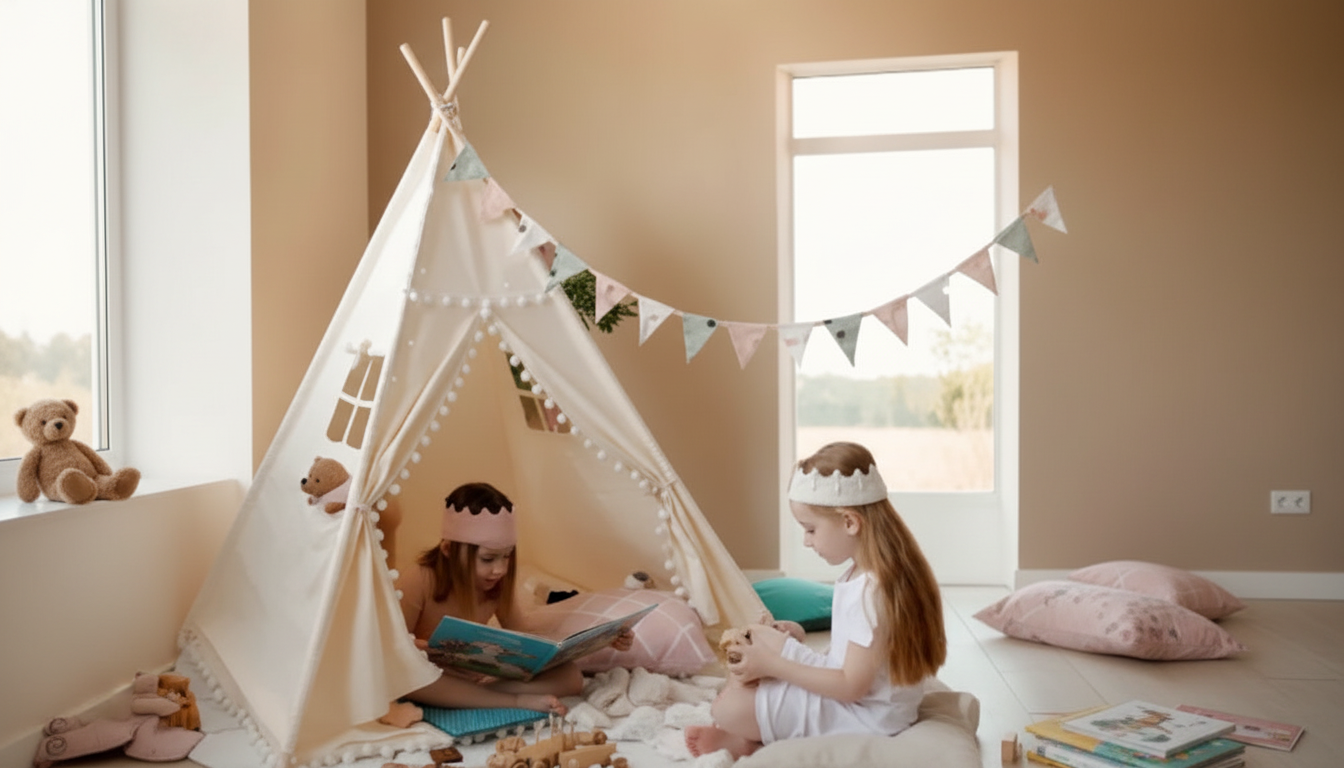
Kids Play Teepee Tent for Indoor Adventures and Cozy Reading Nooks
A teepee tent can turn a corner of the living room into a calm hideaway for reading, pretend play, and quiet time. The right setup feels inviting, stays stable during play, and fits neatly into the space available—without becoming another clutter magnet. With a few smart choices (placement, soft layers, and a simple storage routine), a play teepee becomes a reliable “go-to” spot kids actually use day after day.
What a teepee tent adds to everyday play
A play teepee is more than décor—it creates a small, predictable environment that kids can claim as their own. That sense of boundaries often makes it easier to focus, whether they’re flipping through picture books, setting up a pretend campsite, or just taking a breather.
- Creates a defined “kid zone” that helps children settle into imaginative play, puzzles, or books.
- Supports screen-free routines like story time, calm-down breaks, and independent play.
- Works as flexible décor: neutral fabrics and simple shapes can blend into bedrooms or playrooms.
- Encourages social play when there’s enough floor space for siblings or a friend to join.
- Makes cleanup easier when baskets, pillows, and books have a consistent home base nearby.
Key features that matter for comfort and stability
When a teepee is used daily, small design details make a big difference—especially for wobble, airflow, and how inviting the entrance feels. Prioritize the parts kids interact with most: getting in and out, sitting for longer stretches, and opening/closing the doorway.
- Frame stability: look for secure pole joints and a stance that resists tipping during entry/exit.
- Fabric feel: breathable fabric can help the interior feel less stuffy during longer play sessions.
- Door and tie-backs: a doorway that stays open easily makes the tent more inviting and safer for quick exits.
- Floor setup: decide whether the tent sits on a rug/play mat or includes a base (either way, comfort comes from adding a soft layer).
- Ventilation and light: small windows or openings can make the interior brighter and easier to supervise.
- Ease of setup: simpler assembly is helpful if the tent will be moved between rooms or stored away regularly.
Sizing and placement: choosing the right spot at home
Before buying, measure the area where the tent will live most of the time. A teepee that technically “fits” can still feel cramped if kids have to squeeze past furniture or if the entrance opens into a walkway.
- Measure the intended area before buying and leave clearance around the tent so children can enter and exit without bumping furniture.
- Place on a non-slip rug or mat to reduce sliding on smooth floors.
- Avoid high-traffic paths (near doors, stairs, or busy hallways) to reduce collisions and tripping.
- Keep away from heaters, fireplaces, candles, or other heat sources.
- If the tent will be used for reading, position it near natural light or add a low-heat, child-safe lamp outside the tent.
Quick checklist for picking a teepee tent setup
| What to check | Why it matters | Simple guideline |
|---|---|---|
| Available floor space | Prevents crowding and improves safety | Measure the footprint area and leave extra clearance for walking around it |
| Ceiling height | Avoids rubbing against lights/fixtures | Confirm the tent height fits under ceiling fans and hanging lights |
| Pole stability | Reduces wobble during play | Look for firm joints and a wide stance; place on a stable surface |
| Fabric and seams | Comfort and durability | Choose fabric that feels soft and seams that look reinforced |
| Supervision visibility | Helps caregivers monitor play | Prefer openings/windows that allow airflow and quick visibility checks |
Ideas to make it a favorite spot
Kids tend to use teepees more when the inside feels finished—soft, comfortable, and stocked with just a few repeat favorites. Keep the add-ons simple so the space stays easy to reset.
- Reading nook: add a couple of pillows, a small blanket, and a basket of picture books by the entrance.
- Pretend camping: use a soft lantern (battery-operated), felt “marshmallows,” and a mini backpack for role play.
- Calm corner: keep sensory items nearby—stuffed animal, fidget, or a simple breathing card.
- Art station (low-mess): clip a small sketchpad to a clipboard and store crayons in a lidded container outside the tent.
- Rotating theme: switch accessories monthly (space, jungle, ocean) to refresh interest without replacing the tent.
Care, cleaning, and long-term use
A teepee that stays fresh is one that gets used. A quick weekly reset—shaking out crumbs, checking the frame, and wiping smudges—helps the tent look inviting and last longer.
Safety notes for indoor play tents
For general home and toy safety guidance, review resources from the U.S. Consumer Product Safety Commission (CPSC) and family home-safety tips from the American Academy of Pediatrics (HealthyChildren.org).
Kids Play Teepee Tent: a simple way to create a play space
Shop in-stock picks
FAQ
What age is a teepee tent best for?
Many teepee tents work well from the toddler years through early elementary, depending on size and the child’s play style. Always check the manufacturer’s age guidance, and supervise younger children during use.
How much space is needed for a kids teepee tent?
Measure the tent’s footprint and leave enough clearance for kids to enter, exit, and walk around without bumping furniture. A clear entrance and avoiding tight corners helps the space feel safer and more usable.
How do you clean a kids play teepee tent?
Spot clean as needed and follow the care instructions included with the tent. Let fabric dry fully before storage, and periodically check poles and connectors to keep the setup stable.






Leave a comment