Pooch Pouch Dog Walking Bum Bag for Treats & Poop Bags
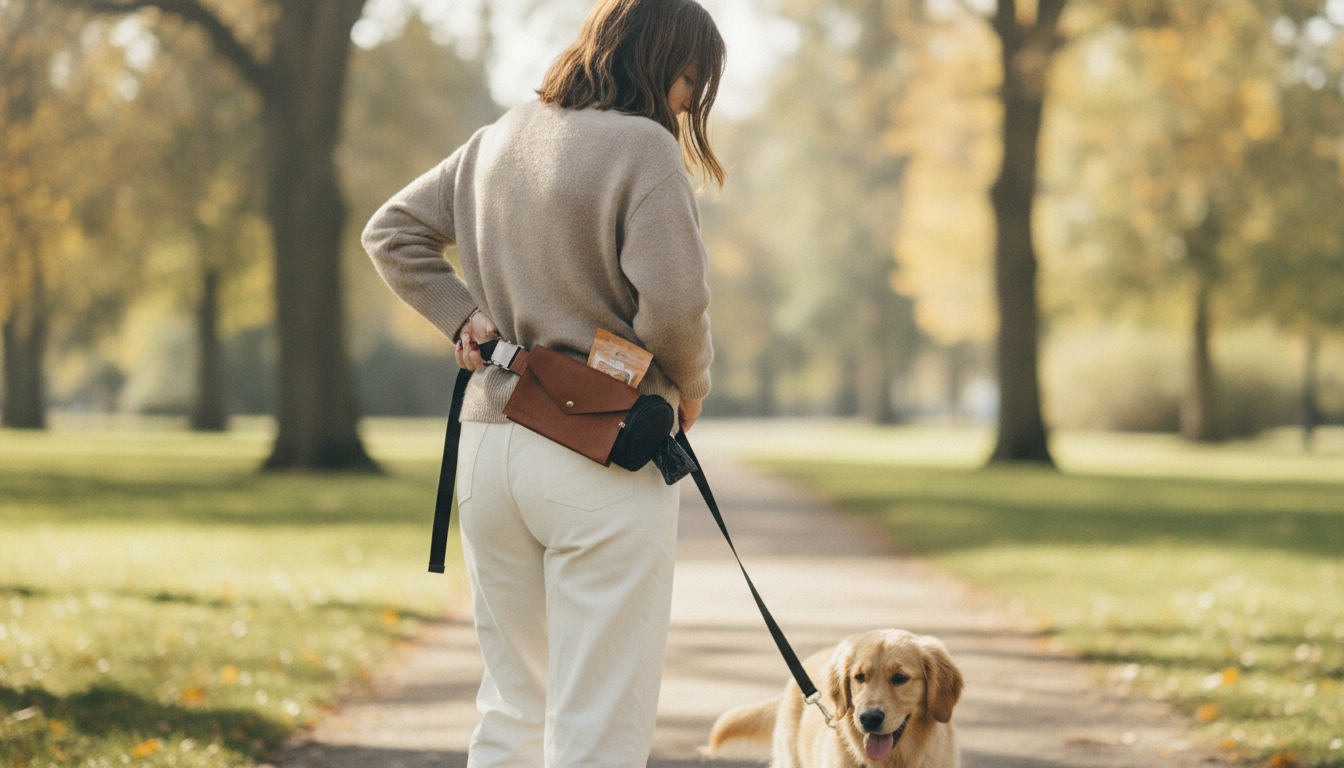
Dog Walking Bum Bag “Pooch Pouch” for Snacks & Poop Bags
A hands-free walk is easier when the essentials stay in one place. A dedicated dog-walking bum bag keeps treats, poop bags, and small personal items together so rewards and cleanup are quick, even on busy sidewalks or during training sessions. Instead of juggling pockets, leash, and a treat bag that slips around, a waist-worn setup helps keep routines simple: clip the leash, grab the pouch, head out the door.
What a dog-walking bum bag helps with on everyday walks
- Keeps snacks and poop bags within reach for faster rewards and faster cleanup.
- Reduces pocket clutter and prevents loose bags or treats from getting crushed.
- Supports training consistency by making it easier to reward immediately after good behavior.
- Helps keep hands free for leash handling, doors, strollers, or a phone.
- Makes short walks and longer outings more predictable by keeping a simple routine.
Convenience matters most when timing matters. For training (especially loose-leash walking and calm check-ins), a one-second delay can turn a “perfect moment” into a missed opportunity. A dedicated pouch keeps the reward exactly where your hand expects it to be—every time.
What to carry in a “Pooch Pouch” setup
- Treats or snacks in a small container or pouch liner to reduce crumbs.
- Poop bags (plus 1–2 extra, since rolls can run out unexpectedly).
- A few wipes or a small pack of tissues for quick cleanup needs.
- A key and a card or small wallet item for minimal carry.
- Optional: a lightweight clip or small carabiner for attaching a used-bag holder (where local rules allow).
Quick pack list for common walk scenarios
| Walk type | Carry essentials | Nice-to-have extras |
|---|---|---|
| 10–20 minute potty break | Poop bags, a few treats, keys | Wipes, small hand sanitizer |
| Training-focused walk | Higher-value treats, poop bags | Clicker, small toy for engagement |
| Longer neighborhood loop | Poop bags, mixed treats, phone/keys | Wipes, small water bottle (if space allows) |
| Errands with the dog | Poop bags, treats, payment card | Foldable bowl, lint-free cloth |
How to use treat access to improve leash manners
- Pre-portion treats so rewards stay frequent without overfeeding.
- Reward the moment the leash is loose or the dog checks in, not several steps later.
- Use smaller treats for repetition and reserve higher-value snacks for tougher distractions.
- Practice “leave it” and “look” with rapid rewards so the dog learns to disengage quickly.
- Keep a consistent routine: treat access, poop bags, and wipes are always in the same place.
When rewards are easy to access, training becomes less about “remembering to train” and more about responding to what your dog is already doing right. For a helpful baseline on loose-leash techniques, see the American Kennel Club’s training resources, which emphasize timing, consistency, and rewarding desired behavior.
Cleanup habits that make walks smoother
- Restock poop bags before leaving, not after returning.
- Bring at least one backup bag in case a roll tears or runs out.
- Tie off used bags securely and follow local disposal rules.
- Use wipes for muddy paws or minor messes rather than improvising with clothing.
- Wash hands or use sanitizer after disposal, especially before touching snacks or a phone.
Good hygiene is part of a good routine. The CDC’s Healthy Pets, Healthy People guidance highlights practical hand hygiene steps around pet waste—simple habits that keep everyday walks more comfortable.
Choosing the right waist-worn pouch for your routine
- Capacity: enough room for treats and poop bags, plus a few small personal items.
- Access: openings that let treats come out quickly without digging around.
- Organization: separate spaces help keep snacks away from used-bag items.
- Comfort: a secure, stable fit matters more than maximum storage on active walks.
- Ease of cleaning: treat crumbs and outdoor grime add up quickly over time.
If the pouch shifts, sags, or requires two hands to open, it won’t get used consistently. A reliable fit and quick access usually beat “more pockets” for day-to-day walking.
Product spotlight: Dog Walking Bum Bag “Pooch Pouch” for Snacks & Poop Bags
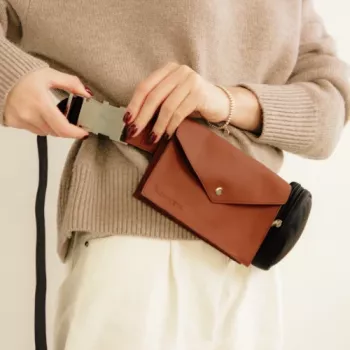
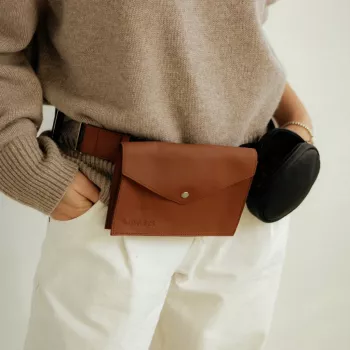
A dedicated option like the Dog Walking Bum Bag “Pooch Pouch” for Snacks & Poop Bags is built around the basic needs of real walks: treats for rewards and poop bags for cleanup, carried in a single grab-and-go place. It’s a practical choice for daily outings, training sessions, and situations where pockets aren’t enough (or where you’d rather not store treats next to keys and lint).
- Designed as a dedicated dog-walking bum bag for keeping snacks and poop bags together.
- Supports quick treat delivery and quick cleanup without relying on pockets.
- A practical option for daily walks, training sessions, and outings where hands-free carry helps.
- Works well as a “grab-and-go” kit so the walk routine stays consistent.
A simpler alternative for light carry
Some days only require the basics—one roll of bags and a handful of treats. For that lighter setup, the Dog Walking Waist Bag for Treats & Poop Bags can be a straightforward choice for quick potty breaks, travel days, or short walks where minimal bulk feels better.
FAQ
How many poop bags should be carried on a walk?
Carry at least one poop bag per dog per walk, plus 1–2 extras. Backups help when a roll runs out unexpectedly, a bag tears, or you need to pick up a second time.
What treats work best for carrying in a waist pouch?
Small, low-crumb, non-melty treats are easiest to manage in a waist pouch. Using a small container or liner helps reduce residue, and wiping the pouch occasionally keeps oils and crumbs from building up.
Can a bum bag help with leash training?
Yes—quick, consistent access improves reward timing, which is key for loose-leash walking and check-ins. When treats are always in the same spot, it’s easier to reinforce good choices the moment they happen.







Leave a comment