Self-Cleaning Detangling Scalp Massage Hair Brush Guide
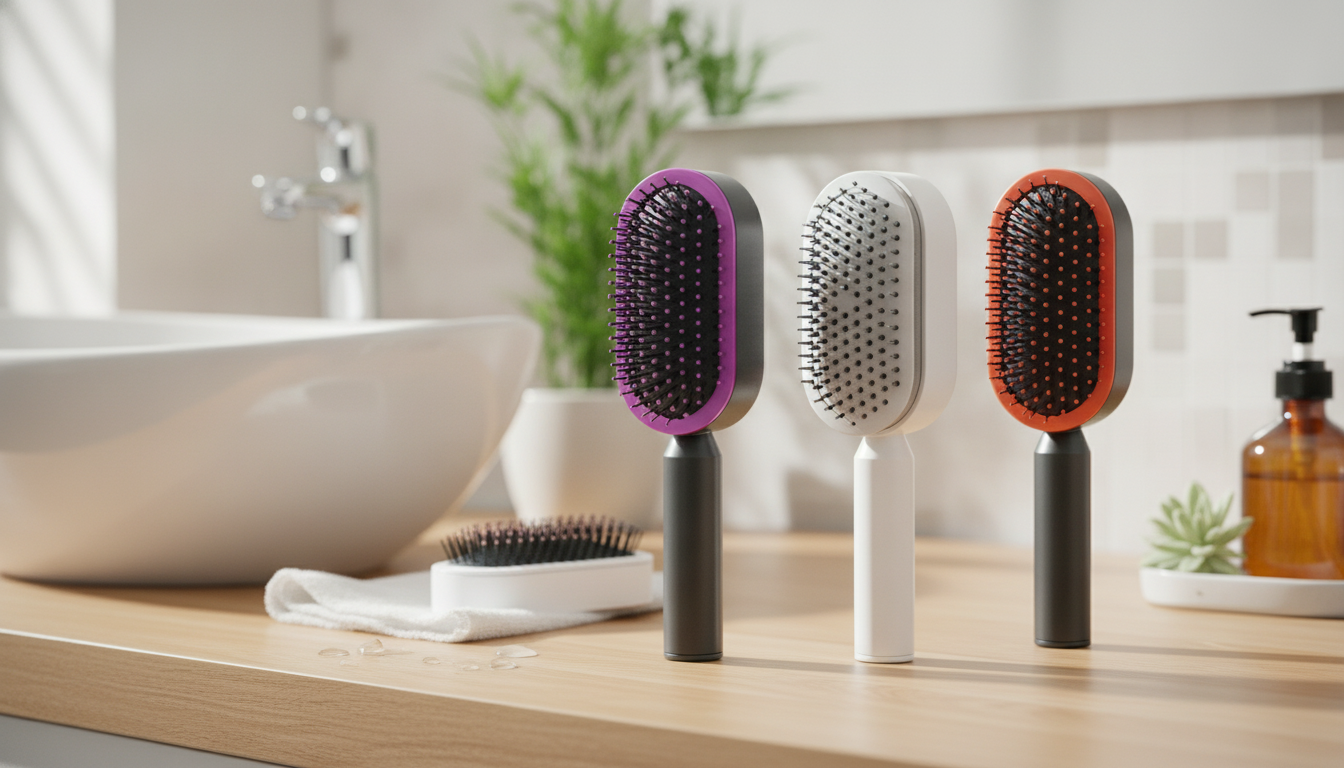
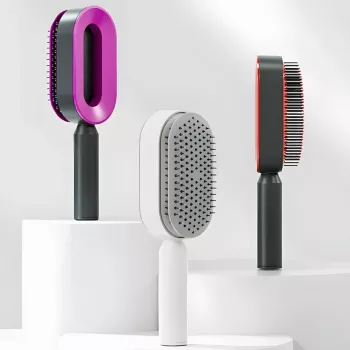
Detangling Scalp Massage Hair Brush with One-Key Self-Cleaning Feature
Tangles, shedding, and product buildup can turn a simple brush session into a chore. A detangling brush that also massages the scalp helps hair glide free with less pulling, while a one-key self-cleaning button makes it easier to clear trapped strands and get back to a fresh, hygienic brush for the next use. This guide covers what to expect, how to use it on different hair types, and how to keep results consistent day after day.
What Makes This Brush Different
A brush can be “fine” yet still leave hair feeling tugged, frizzy, or sore at the roots—especially when knots meet heavy shedding. A detangling-and-massage design focuses on comfort and consistency, not just getting through hair as fast as possible.
- Detangling-focused bristle design aims to reduce snagging and breakage during brushing.
- Scalp-massage action helps distribute natural oils and can make brushing feel more relaxing rather than abrasive.
- One-key self-cleaning mechanism is built for quick hair release, especially helpful after wash days or styling sessions.
- Versatile everyday use for daily maintenance, post-shower detangling, and refreshing curls or waves with less tugging.
If you want to see the brush itself, start here: Detangling Scalp Massage Hair Brush with One-Key Self-Cleaning Feature.
Quick Overview: Features and Best-Use Scenarios
When detangling takes more than a minute, comfort matters. A secure grip helps keep pressure light and controlled, which is key for minimizing breakage. The self-cleaning button is most valuable for long hair, shedding-prone hair, and busy households (with routine washing between users). Many people also get the best feel by using it as a two-step tool: detangle first, then do a lighter-pressure pass for scalp comfort.
Feature-to-Benefit Snapshot
| Feature | Why it helps | Best for |
|---|---|---|
| Detangling bristles | Helps hair slide through with less pulling | Knots, post-wash tangles, fragile ends |
| Scalp massage action | Comfortable stimulation while brushing | Dry scalp comfort routines, gentle daily brushing |
| One-key self-cleaning | Releases collected hair quickly to keep bristles clear | Long hair, heavy shedding, frequent styling |
| Compact daily tool | Simple routine without extra accessories | Busy mornings, gym bags, travel kits |
How to Use It for Less Breakage
Gentle technique matters as much as the brush. The goal is to remove tangles with minimal force so hair isn’t stretched, snapped, or yanked from the root.
- Start at the ends: brush the last few inches first, then gradually work upward toward the roots.
- Use light pressure: let the bristles do the work instead of forcing through a knot.
- For wet hair: apply a detangling product first and brush slowly to minimize stretch-related breakage.
- For dry hair: brush in sections, especially for thick, curly, or coily textures.
- Finish with a gentle scalp pass: use small, controlled strokes to avoid yanking at the roots.
For more everyday hair-care best practices (including gentle handling and avoiding unnecessary damage), the American Academy of Dermatology Association’s hair care tips are a helpful reference.
Making the Most of the One-Key Self-Cleaning Button
A brush works best when the bristles are free to flex and move through hair. If strands build up around the base, detangling can start to feel rougher—and cleanup becomes a bigger job than it needs to be.
- Clean right after brushing: hold the brush over a trash bin and press the cleaning button to lift and release trapped strands.
- Remove hair promptly: grab the released hair so it doesn’t re-wrap around the bristles.
- Wash periodically for product buildup: if you use oils, dry shampoo, gels, or sprays, rinse the brush, use mild soap, then let it air-dry (bristle-side down when possible).
- Keep it gentle: harsh disinfectants usually aren’t necessary for personal use; routine washing is typically enough.
Hair Type Guide: When It Shines
Different textures tangle differently. The most comfortable results usually come from pairing the right technique (sections, slip, light pressure) with consistent cleanup so the bristles stay clear.
- Straight hair: helps clear daily tangles quickly; self-cleaning reduces the annoying hair wrap around bristles.
- Wavy hair: supports gentle detangling without overly disrupting pattern when used in sections.
- Curly hair: best used with slip (conditioner or detangler) and slow, section-by-section brushing.
- Thick hair: benefits from the combination of detangling plus quicker cleanup after each session.
- Fine or fragile hair: use minimal pressure and focus on the ends-first method to reduce breakage.
Scalp stimulation can also feel soothing as part of a comfort routine. For a practical overview of potential benefits and expectations, see the Cleveland Clinic’s discussion of scalp massage.
Care, Cleaning, and Hygiene Tips
- Use the self-cleaning button after every session to prevent hair accumulation and preserve detangling performance.
- Deep clean weekly or biweekly depending on how much product you use (oils, gels, sprays, dry shampoo).
- Wash with warm water and mild soap; rinse thoroughly so residue doesn’t transfer back to hair.
- Dry completely before storing to help prevent odors and buildup.
- If shared, clean more frequently and avoid use on scalp conditions unless advised by a clinician.
When to Replace a Hair Brush
Easy Add-Ons for On-the-Go Routines
FAQ
Can this brush be used on wet hair?
Yes. Use a detangling product for slip, work slowly from ends to roots, and keep pressure light to reduce stretch-related breakage.
How often should the self-cleaning button be used?
Use it after each brushing session to clear trapped strands. Deep clean the brush with mild soap weekly or as needed if styling products are used often.
Will the scalp massage help with hair growth?
Scalp massage can feel relaxing and may support scalp comfort. It’s best treated as a wellness step rather than a guaranteed hair-growth solution.







Leave a comment