Cleaning Eco-Leather: Simple Steps to Wipe It Safely
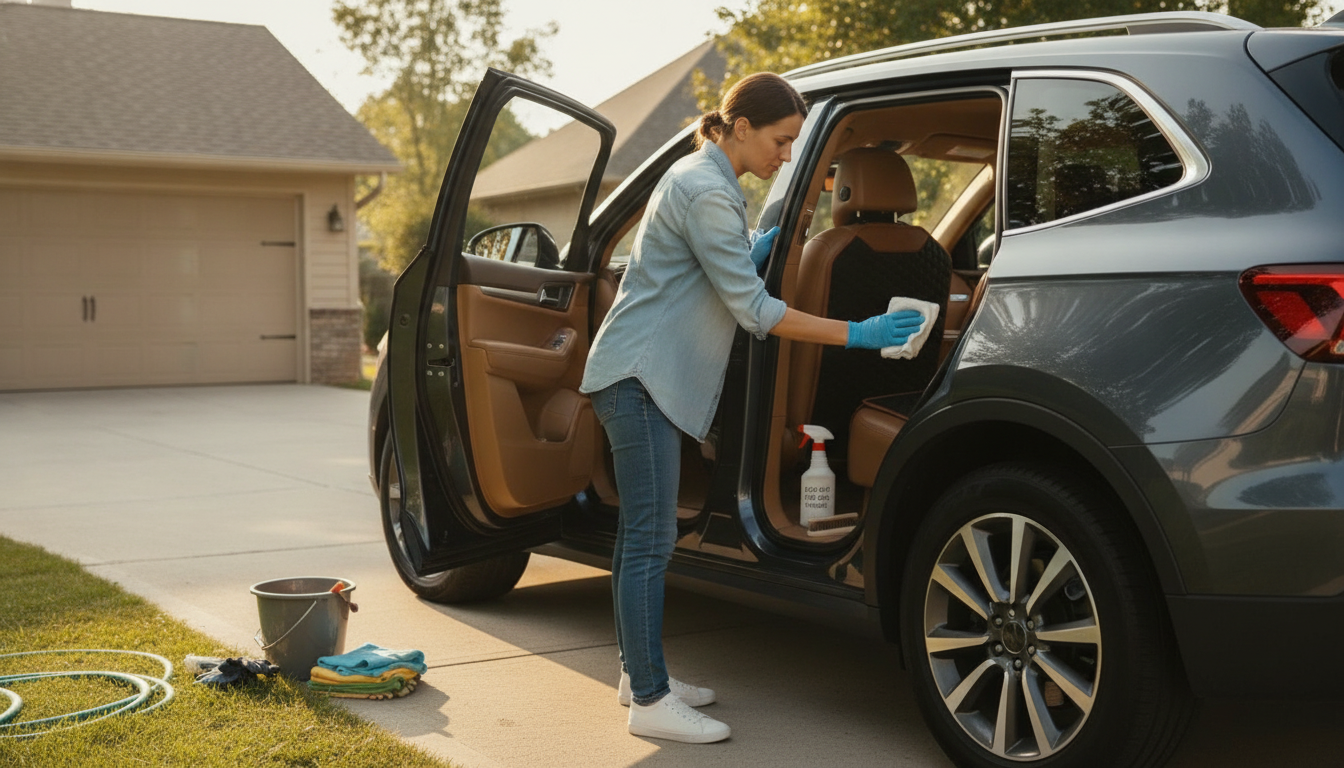
How do you clean eco-leather?
Eco-leather (often used on car seat protectors and other wipe-clean accessories) is designed to be low-maintenance, but it still benefits from gentle, consistent care. The safest approach is to remove loose debris first, wipe with a mild cleaner, and finish by drying and conditioning lightly—without soaking the surface or using harsh chemicals.
1) Start with a dry dust-off
Use a soft microfiber cloth to wipe away dust, crumbs, and grit. This step matters because rubbing cleaner over debris can create fine scratches and dull the finish, especially on frequently handled areas.
2) Wipe with a mild soap solution
Mix a few drops of gentle dish soap into a bowl of lukewarm water. Dampen (don’t drench) a clean microfiber cloth, wring it out well, and wipe the eco-leather using light pressure. For seams and textured areas, use a soft-bristled brush or cotton swab to lift grime without scraping.
3) Remove any soap residue
Go back over the surface with a second cloth dampened with plain water. This prevents residue buildup that can attract dirt or leave a sticky feel.
4) Dry thoroughly
Buff dry with a fresh microfiber towel. Let it air-dry fully before using the item again. Keep eco-leather away from direct heat sources (like hair dryers or heater vents), which can cause cracking or warping over time.
5) Spot-treat stains carefully
For light marks, try a slightly damp cloth first. For tougher smudges, use a small amount of diluted soap and work in short, gentle passes. Avoid acetone, bleach, ammonia, abrasive pads, and “all-purpose” solvents, which can strip the coating.
6) Add optional protection
If the surface looks dry or loses its sheen, apply a small amount of a leather-safe, non-greasy conditioner made for coated/leatherette materials—test on an inconspicuous area first. Wipe off any excess so it doesn’t feel slick.
For a wipe-clean approach tailored to eco-leather car seat protection, see the full guide here: https://sellerpros.store/guide-eco-leather-car-seat-back-protector-wipe-clean-guard/.
FAQ
Can you use disinfecting wipes on eco-leather?
Sometimes, but choose alcohol-free, bleach-free wipes and test first in a hidden spot. If the surface becomes dull or tacky, switch to mild soap and water instead.








Leave a comment