Scalp Massage for Alopecia: Safe Steps & Best Frequency
How to massage scalp for alopecia?
Scalp massage can be a supportive habit for people with alopecia because it helps loosen tight scalp tissue, improves comfort, and may encourage better circulation to hair follicles. It won’t “cure” alopecia on its own, but done gently and consistently, it can fit well alongside dermatologist-recommended treatments.
Step-by-step scalp massage (gentle, follicle-friendly)
1) Start with clean hands and a calm scalp. Wash your hands and make sure your scalp isn’t irritated, sunburned, or freshly scratched. If you use a topical medication (like minoxidil or prescription solutions), follow your clinician’s timing—often massage is best done before application or once product has fully absorbed.
2) Use pads of your fingers, not nails. Place fingertips on the scalp and apply light-to-moderate pressure. Move the skin over the skull in small circles rather than rubbing the hair.
3) Cover the whole scalp in zones. Spend about 20–30 seconds per area: temples, crown, sides above the ears, and the back of the head. If you have patchy hair loss, massage the surrounding scalp gently instead of aggressively scrubbing the patch.
4) Add a “lift and release” motion. With fingertips spread, gently lift the scalp tissue, hold for a second, then release. This can feel less irritating than constant circular rubbing.
5) Keep it short and consistent. Aim for 3–5 minutes, 4–7 days a week. Stop if you notice increased redness, tenderness, or shedding that seems unusual for you.
Using a scalp massage brush safely
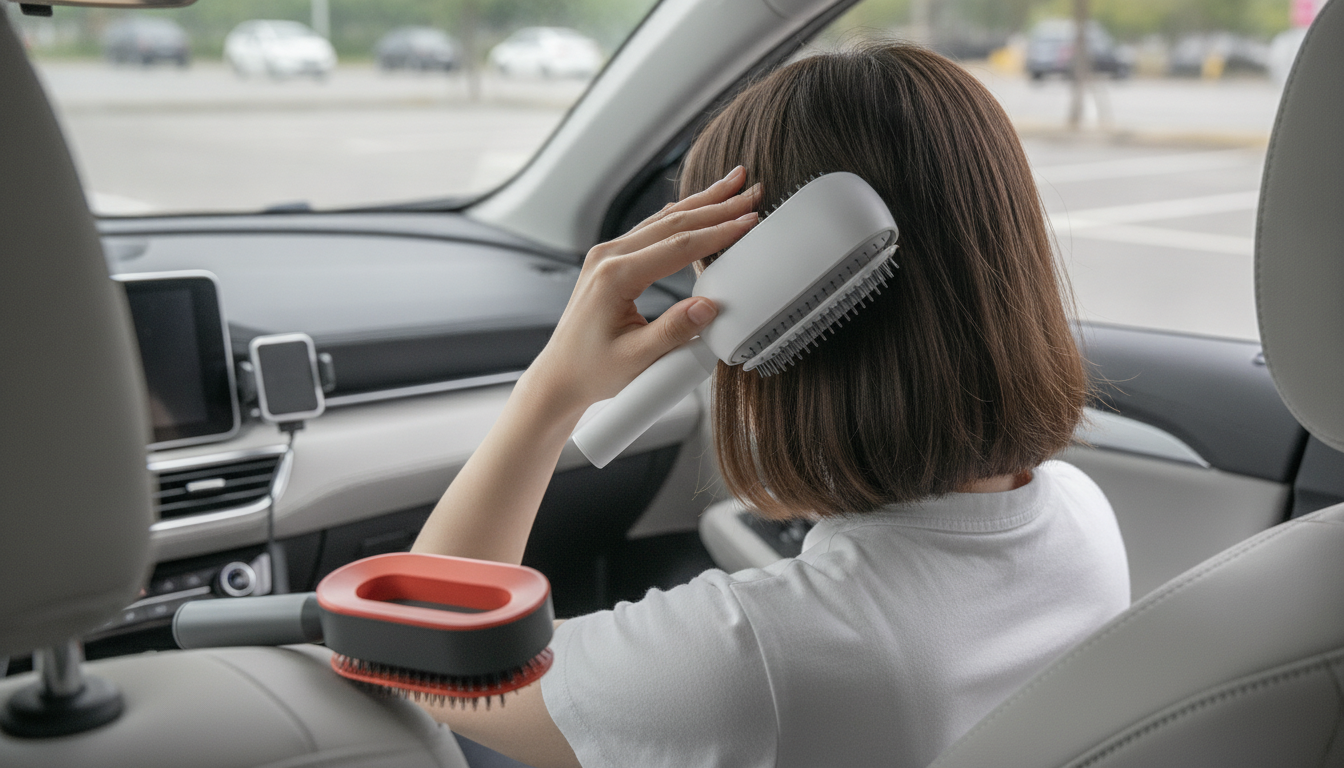
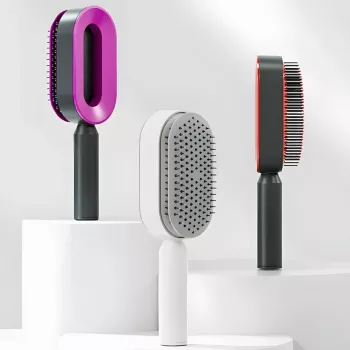
A soft, flexible-bristle scalp brush can make massage easier, especially in the shower. Choose a design that’s easy to rinse and doesn’t tug. Use light pressure, slow circles, and avoid repeated passes over the same spot. For more details on choosing and using a brush, see this scalp massage hair brush guide.
When to be extra cautious
Avoid massage over open sores, active scalp infections, or inflamed, painful areas. If you have alopecia areata, traction alopecia, scarring alopecia, psoriasis, or seborrheic dermatitis, ask a dermatologist what pressure and frequency are appropriate.
FAQ
How often should you massage your scalp for hair growth?
Most people do well with 3–5 minutes per session, at least 4 times per week. Consistency matters more than heavy pressure—massage should feel soothing, not sore.







Leave a comment